

 Open Access||Research Article
SeizureSense: A Wearable Epilepsy Monitoring System
Dnyaneshwar S. Mantri , Sushilkumar S. Salve, Yogesh Budhalkar, Sakshi Bhaltilak, Dnyandev More
Department of Electronics & Telecommunication Engineering, Sinhgad Institute of Technology, Lonavala Savitribai Phule Pune University, Pune, Maharashtra, 410101, India
Abstract
Epilepsy is one of the most common chronic neurological disorders, affecting approximately 10–12 million people in India and nearly 65 million people worldwide. It is considered the fourth most common neurological condition after migraine, Alzheimer's disease, and stroke. Epileptic seizures can cause serious health risks such as falls, head injuries, fractures, burns, breathing difficulties, and convulsive status epilepticus, creating anxiety among patients, parents, and caregivers. To address this problem, this paper proposes a wearable IoT-based seizure alert system for real-time seizure detection and emergency notification. The proposed system uses an ESP32-C3 microcontroller, MAX30102 heart rate and SpO₂ sensor, MPU6050 accelerometer and gyroscope, and an EMG sensor to monitor physiological parameters and abnormal muscle movements associated with seizures. When a seizure is detected, the device automatically sends an SMS alert with the user's location to caregivers or family members and activates a speaker alert to notify nearby people. Prototype-level testing under controlled laboratory conditions demonstrated an estimated seizure detection accuracy of 92.5% of 5.2%, and a response time of 3–5 seconds, demonstrating that it is a reliable, real-time, and efficient solution for epilepsy monitoring.
Keywords
Graphical Abstract
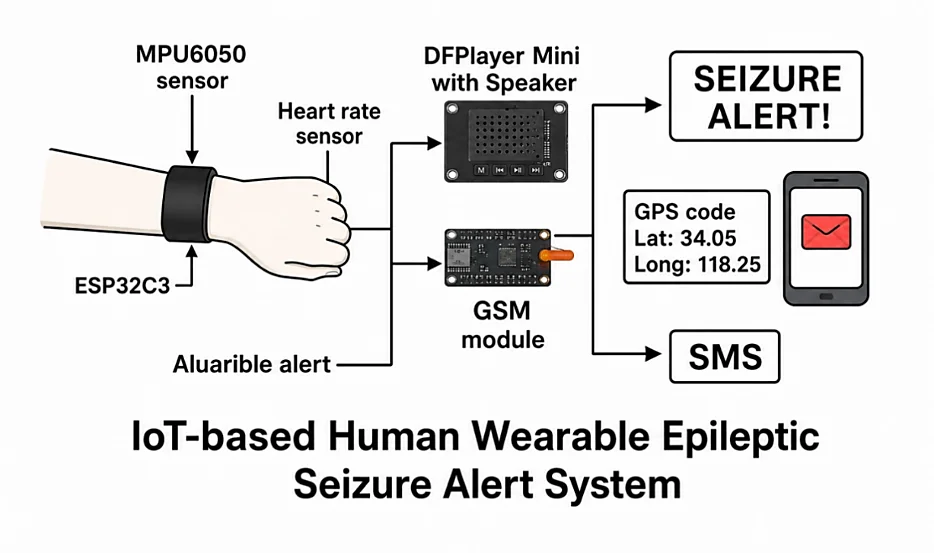
Novelty Statement
This study proposes a wearable IoT-Based seizure alert system for real-time seizure detection and emergency notification.
1. Introduction
Epilepsy is a serious neurological disorder affecting millions of individuals worldwide.[1] It is characterized by sudden and unpredictable seizures, resulting from abnormal electrical activity in the brain.[2] These seizures can vary in intensity, causing loss of consciousness, involuntary movements, and serious physical injuries.[3] The unpredictability of seizures poses severe risks, such as falls, accidents, and even sudden unexpected death in epilepsy (SUDEP).[4] Consequently, real-time seizure detection and alert systems are critical for ensuring timely intervention and enhancing patient safety.[5-7] In the medical field, traditional methods for epilepsy monitoring include video-electroencephalography (v-EEG) and electrocardiography (ECG).[8-10] These methods are commonly used in hospitals to diagnose and analyze seizure patterns by capturing brain activity, body movements, and heart rate fluctuations.[11] However, these techniques have several limitations, including high costs, the need for specialized clinical settings, and prolonged monitoring, making them impractical for everyday use.[12] Due to these limitations, there has been a growing interest in wearable IoT-based seizure detection systems that offer continuous real-time monitoring while allowing patient mobility.[13-18] With advancements in embedded systems and sensor technology, researchers have developed motion-based seizure detection using accelerometers and gyroscopes, such as MPU6050, to identify abnormal movement patterns.[19-22] Additionally, heart rate sensors are increasingly used to monitor sudden physiological changes associated with seizures.[23-26] Several studies have explored microcontroller-based solutions, leveraging devices like ESP32 or Arduino to process sensor data and trigger emergency alerts.[27-29] Furthermore, GSM modules (SIM800L/SIM900A) have been integrated to send automated SMS notifications to caregivers, ensuring immediate assistance, even in remote areas without Wi-Fi connectivity.[30,31] Our proposed project builds upon these existing technologies by introducing a wearable epileptic seizure alert system utilizing ESP32C3 XIAO as the central processing unit. The system integrates an MPU6050 motion sensor, a heart rate sensor, and a DF-Player Mini with a speaker module to detect seizure activity and provide both audible and SMS-based alerts. By incorporating GPS tracking, the system enables caregivers to quickly locate the patient in case of an emergency.[32,33] Unlike hospital-based monitoring methods, our lightweight, portable, and cost-effective solution offers continuous real-time monitoring, improving response times and overall patient safety. Addressing key challenges such as power efficiency, false alarms, and latency in alert transmission, our research contributes to the advancement of wearable healthcare technology for epileptic seizure detection and emergency response.[29,34,35] The system activates an emergency response mechanism, which includes: Audible Alert System – A DF-Player Mini module with a speaker generates a warning sound to alert nearby individuals. Emergency SMS Notification – A GSM module (SIM800L/SIM900A) automatically sends an alert message to caregivers, ensuring quick intervention. GPS Tracking for Emergency Location – A GPS module tracks the patient's location and shares it with caregivers in real time.
Compared to traditional hospital-based EEG monitoring, our system is designed to be lightweight, cost-effective, and user-friendly, allowing patients to move freely while benefiting from continuous real-time monitoring. This approach significantly reduces response time during seizures, making it an effective and practical solution for epilepsy management. The primary contributions of this work include: Development of a wearable, real-time epileptic seizure detection system with minimal intrusion into the patient's daily life. Integration of multi-sensor technology (motion and heart rate sensors) for accurate seizure detection. Implementation of an emergency alert system combining audible alarms, SMS notifications, and GPS tracking for immediate assistance. Optimization of power consumption to ensure prolonged battery life for uninterrupted monitoring.
2. Literature Survey
Epilepsy is a chronic neurological disorder characterized by recurrent and unpredictable seizures that pose serious risks to patient health and safety.[1,2] Over the years, various seizure detection and alert systems have been developed using physiological signals, motion sensors, and wireless communication technologies.[3,4] Existing seizure detection approaches can be broadly classified into EEG-based systems, motion-based systems, physiological signal-based systems, and wearable IoT-based healthcare systems.[5,14,24] Early research by Shoeb and Guttag demonstrated the use of electroencephalogram (EEG) signals combined with machine learning techniques for seizure detection.[7] Although EEG-based systems provide high detection accuracy, they require complex signal processing, clinical-grade equipment, and continuous monitoring, making them less suitable for portable wearable applications.[7,9,10,36,37] To improve wearability and real-time monitoring, researchers explored motion-based seizure detection using accelerometers and gyroscopes. Motion-based systems effectively detect repetitive and high-amplitude body movements associated with seizure activity, but they often generate false positives during normal physical activities such as running or sudden movements.[4,5,21,30] Physiological signal monitoring has also gained considerable attention for seizure detection. Van Elmpt et al. reported significant heart rate variations during seizure episodes, while Poh et al. demonstrated that physiological indicators such as heart rate variability improve seizure detection reliability.[12,13] These approaches help identify abnormal physiological changes that occur during epileptic events and enhance detection accuracy when combined with motion analysis.[32,38]
Recent advancements in wearable healthcare technology and IoT systems have enabled the development of real-time remote seizure monitoring solutions. Wearable sensor-based healthcare systems provide continuous physiological monitoring and improve patient mobility compared to traditional hospital-based monitoring methods.[5,15-18] In addition, GSM-based emergency alert systems have been integrated into wearable healthcare devices to send automatic notifications to caregivers during emergencies, ensuring timely medical assistance.[8,31] Machine learning, deep learning, multimodal sensing, and adaptive IoT architectures have further enhanced the reliability of seizure detection systems.[22,35-39] Recent studies have also demonstrated the benefits of wearable digital health technologies, energy-efficient embedded systems, and clinical seizure detection devices for long-term epilepsy monitoring.[7,15,26,29,40-42] These studies indicate that combining motion sensing, physiological monitoring, machine learning, and wireless communication technologies can significantly improve the reliability and effectiveness of wearable epileptic seizure detection systems.
2.1 Research Gap
Despite significant advancements, existing systems suffer from limitations such as high false alarm rates, incomplete physiological monitoring, and limited real-time alert capabilities. Most solutions rely on either motion-based or physiological parameters independently, which fails to capture the complete characteristics of seizure events.
2.2 Proposed Approach
To address these limitations, the proposed system integrates motion, heart rate, SpO₂, and EMG signals within a wearable IoT platform. By employing a multi-sensor fusion approach along with real-time alert mechanisms and GPS-based location tracking, the system improves detection accuracy, reduces false positives, and ensures timely emergency response. Table 1 presents a comparison of existing seizure detection systems based on their sensing techniques, features, and limitations. It highlights that most existing approaches lack comprehensive multi-sensor integration and reliable real-time alert mechanisms.
Table 1: Comparison of existing seizure detection system.
| Ref No. | Author/Year | Methodology Used | Technologies | Key Features | Results/Outcome | Limitations |
|---|---|---|---|---|---|---|
| [41] | Djemal et al. (2023) | EMG-based seizure classification | Wearable EMG Sensor, ML | Automatic seizure classification using muscle activity | High seizure classification performance | Limited to EMG signals only |
| [38] | ElSayed et al. (2023) | IoT-based adaptive seizure detection | IoT, Machine Learning | Adaptive architecture for epilepsy monitoring | Improved remote healthcare monitoring | Requires ML training and optimization |
| [35] | Ingolfsson et al. (2023) | Energy-efficient embedded detection | Embedded AI, Wearable Sensors | Low-power seizure detection system | Reduced computational power consumption | Limited clinical validation |
| [15] | Donner et al. (2024) | Wearable digital health monitoring | Wearable Sensors, Digital Health Platform | Continuous epilepsy monitoring | Improved patient management | Commercial deployment challenges |
| [16] | Bernini et al. (2024) | Ambulatory seizure detection | Wearable Devices | Real-world seizure detection outside hospitals | Enhanced ambulatory monitoring | Variable performance across seizure types |
| [17] | Sasseville et al. (2024) | Wearable seizure detection review | Wearable Biosensors | Analysis of device performance and usability | Demonstrated practical clinical benefits | Device-specific limitations |
| [26] | Baumgartner et al. (2025) | Seizure detection device review | Wearable Detection Devices | Clinical assessment of seizure detectors | Comprehensive evaluation of technologies | Device performance varies |
| [22] | Faust et al. (2025) | Machine learning wearable detection | Wrist-worn Sensors, ML | Detection of multiple seizure types | Improved wearable detection capability | Dependent on training data quality |
| [43] | Bhagubai et al. (2025) | Multimodal epilepsy dataset | EEG, ECG, EMG, Accelerometer, Gyroscope | Large wearable epilepsy dataset | Supports development of advanced algorithms | Dataset-focused study |
| [19] | Jeppesen et al. (2025) | Clinical wearable ECG detection | Wearable ECG Device | Automated seizure detection | Clinical validation of wearable monitoring | Limited to ECG-based detection |
3. Real-Time Methodology
In this section, we present a wearable IoT-based epileptic seizure detection and alert system designed for real-time monitoring and emergency response. The system aims to provide an efficient, non-intrusive, and reliable solution for individuals with epilepsy, offering continuous health monitoring and instant alert mechanisms. The overall flow of our proposed system is shown in Fig. 1. Flowchart of Seizure Alert System, consisting of two main phases: signal acquisition and processing and emergency alert mechanism, is shown in Fig. 2. Each of these steps is thoroughly explained in the following subsections. The effectiveness of seizure detection depends on accurate data collection and efficient signal processing. The proposed wearable system utilizes multiple biosensors embedded within the device, including an MPU6050 motion sensor, a pulse sensor for heart rate monitoring, and a GPS module, all controlled by the ESP32C3 XIAO microcontroller. These sensors continuously collect real-time physiological and motion-related data from the user, while the ESP32C3 processes the incoming sensor data to identify abnormal conditions associated with epileptic seizures. The MPU6050 sensor, consisting of a 3-axis accelerometer and gyroscope, continuously monitors body movements and orientation. Seizure activity is characterized by abnormal movement patterns such as rhythmic shaking, sudden jerks, and uncoordinated body movements. To differentiate seizure activity from normal daily movements, a threshold-based motion detection algorithm is implemented. The algorithm analyzes motion features including acceleration spikes beyond normal movement thresholds, angular velocity variations caused by involuntary jerking, and the frequency and duration of repetitive body movements. An adaptive filtering technique is applied to remove unwanted noise from the motion data while preserving critical seizure-related features. If the detected motion parameters exceed predefined threshold values for a sustained period, the system identifies the condition as a possible seizure event. In addition to motion analysis, the wearable device continuously monitors heart rate variations using a pulse sensor.
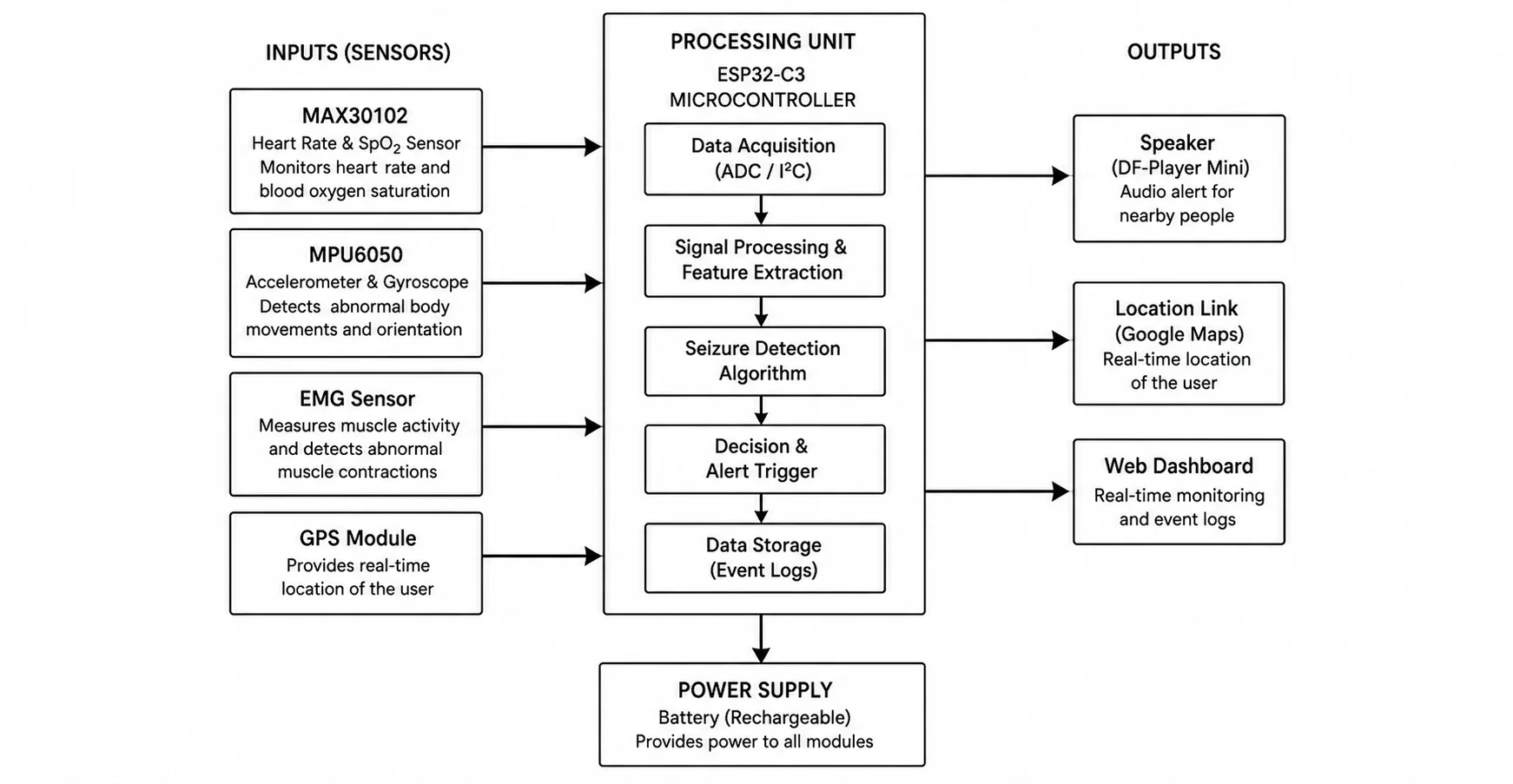
Fig. 1: Block Diagram of Seizure Alert System.
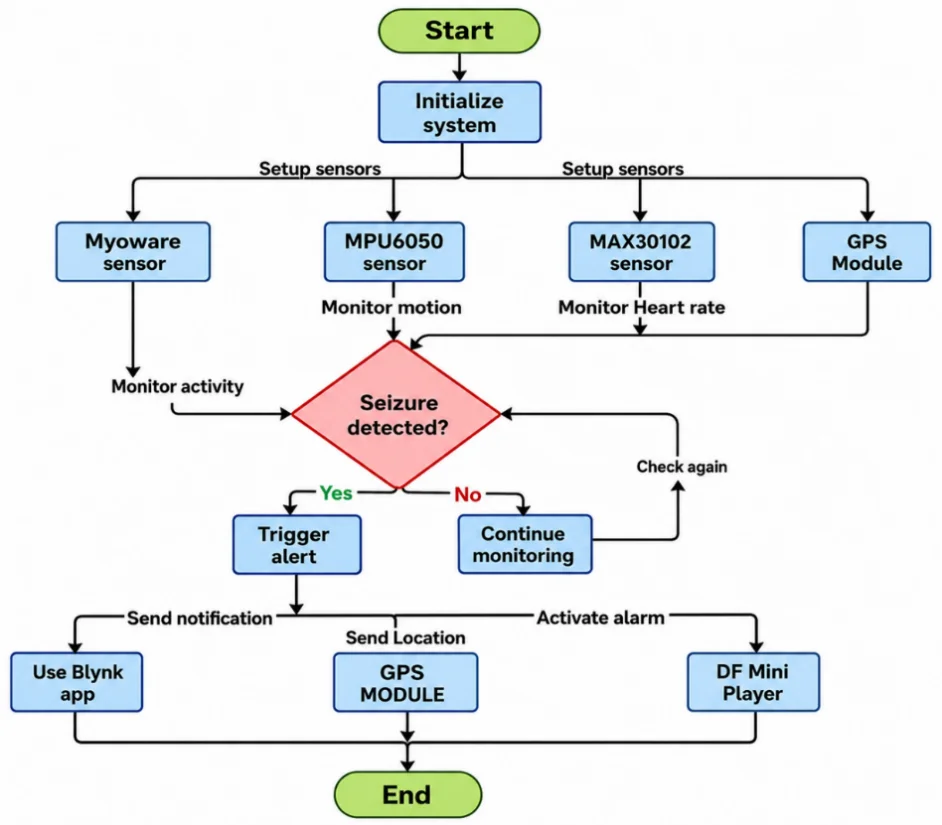
Fig. 2: Flow diagram of seizure alert system.
Epileptic seizures often cause physiological changes such as tachycardia (rapid heart rate) or bradycardia (slow heart rate). The ESP32C3 microcontroller records and analyzes baseline heart rate patterns, sudden heart rate surges or drops, and heart rate variability during seizure events. Moving average filtering and peak detection algorithms are employed to improve measurement accuracy and reduce signal noise. The system cross-validates abnormal motion data with heart rate fluctuations to minimize false positives, ensuring that normal physical activities such as running or sudden movements do not trigger unnecessary seizure alerts. The ESP32C3 XIAO serves as the central processing unit responsible for real-time seizure detection and decision-making using a decision tree-based anomaly detection algorithm. The algorithm compares detected motion patterns and physiological changes with predefined seizure markers to determine whether the user is experiencing a seizure.
When both abnormal movement and irregular heart rate patterns are detected simultaneously, the system confirms the seizure event and activates the emergency alert mechanism. To reduce computational load and improve battery efficiency, the system operates in a low-power mode whenever no abnormal activity is detected. Once a seizure is confirmed, the system automatically activates emergency alert features to notify caregivers, family members, and nearby individuals. A DF-Player Mini module connected to a mini speaker plays a pre-recorded emergency voice message to alert nearby people and request immediate assistance. This audible alert mechanism is particularly useful when the affected individual is alone or in public places where rapid help may be required. Table 2 lists the predefined threshold values used for seizure detection. These thresholds are selected based on observed physiological and motion characteristics during tonic–clonic seizure events. A seizure is detected only when multiple parameters simultaneously exceed their respective thresholds, thereby reducing false alerts. To help emergency responders locate the affected person, a GPS module continuously updates the user's location. The longitude and latitude coordinates are transmitted via SMS to caregivers, enabling them to reach the individual quickly. The location data is refreshed every few seconds, ensuring accurate real-time tracking until the seizure episode ends. This feature is particularly crucial for individuals who experience seizures in public places, while traveling, or living alone.
4. Experimental Setup and Results
Table 2: Threshold values used for seizure detection.
| Parameter | Sensor Used | Threshold Condition |
|---|---|---|
| Heart rate | MAX30102 | > 120 BPM |
| SpO₂ level | MAX30102 | < 92% |
| Body motion | MPU6050 | High repetitive acceleration |
| Muscle activity | EMG sensor | High amplitude muscle contraction |
In Fig. 3 the experimental setup and performance evaluation of our proposed wearable epileptic seizure detection system is shown. The system's functionality is tested using real-time motion and physiological data acquisition. The experimental study consists of four subsections: sensor calibration and data acquisition, hardware implementation, performance evaluation, and power consumption analysis Database. The MPU6050 motion sensor was calibrated using a zero-motion reference method along with a six-point orientation test to minimize drift and improve motion accuracy. Sensor data was sampled at a frequency of 100 Hz, and a low-pass filtering technique was applied to eliminate noise artifacts and unwanted disturbances from the collected motion signals. For heart rate monitoring, the pulse sensor was tested under controlled conditions to ensure reliable and accurate readings. A baseline heart rate was recorded for each subject, and a threshold-based detection method was implemented to identify abnormal spikes or sudden drops in heart rate that may occur during seizure episodes. Seizure-like motion patterns were simulated through controlled experimental tests based on clinically observed tremors and abnormal body movements associated with epileptic seizures.
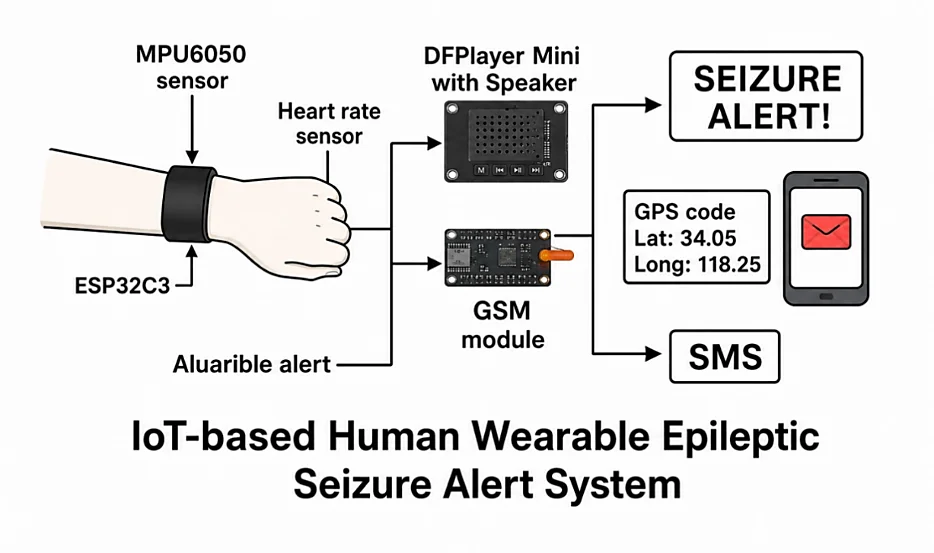
Fig. 3: Experimental setup for IoT-based human wearable epileptic seizure alert system.
The collected sensor data was continuously logged and processed in real time using the ESP32C3 XIAO microcontroller. The proposed wearable system was designed as a compact, low-power, and real-time seizure detection bracelet integrating multiple hardware components for continuous monitoring and emergency response. The ESP32C3 XIAO microcontroller serves as the central processing unit responsible for sensor data acquisition, signal processing, and real-time decision-making. The MPU6050 accelerometer and gyroscope sensor detects abnormal body movements and orientation changes indicative of seizure activity. A pulse sensor continuously monitors the user's heart rate and identifies irregular fluctuations that may correlate with seizure events. In addition, a DF-Player Mini module connected to a speaker generates an audible alert to notify nearby individuals and provide immediate assistance during emergencies. Fig. 4 represents the circuit connections of a sensor-based monitoring system using ESP32C3. Various sensors such as MPU6050 and MAX30102 are interfaced with the microcontroller to collect real-time data. The system also includes a muscle sensor and MP3 module for additional functionalities like signal detection and audio output. All components are interconnected to enable efficient data processing and monitoring.
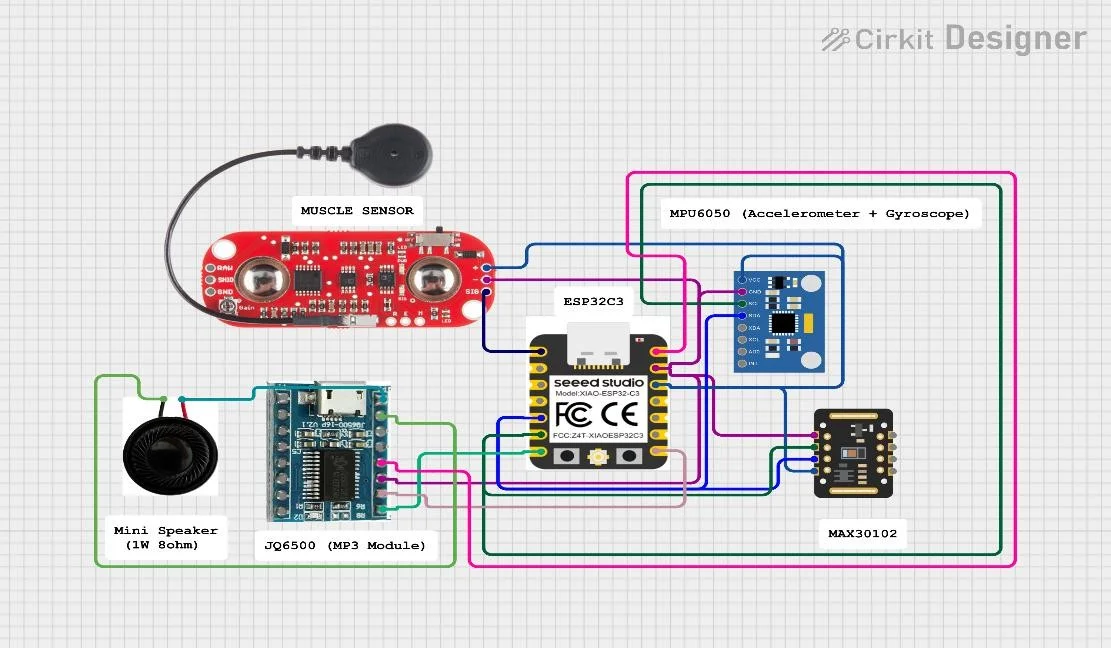
Fig. 4: Circuit diagram of seizure alert system.
5. Performance Evaluation
The performance of the proposed seizure detection system was evaluated using real-time motion and physiological data collected under multiple testing conditions. The system was tested in two major scenarios: seizure simulation and normal daily activities. Seizure simulation experiments were conducted to evaluate the capability of the system to accurately identify seizure events, while normal activity testing was performed to analyze system robustness and reduce false positive detections during routine movements.
Experimental results demonstrated that the proposed system achieved a seizure detection accuracy of 92.5% with a false positive rate of 5.2%, indicating reliable and efficient performance in real-time monitoring applications. Compared to traditional EEG-based systems and motion-only detection methods, the proposed multi-sensor wearable system provided improved detection accuracy while maintaining a lightweight, portable, and user-friendly design. To further enhance performance, two different detection approaches were analyzed: a generic detection model using fixed threshold values and a personalized detection model using adaptive thresholds based on individual physiological and movement patterns. The experimental evaluation revealed that the personalized model significantly outperformed the generic model by improving detection accuracy by 12.4% and substantially reducing false positive detections. These results highlight the effectiveness of adaptive thresholding techniques in wearable epileptic seizure detection systems and demonstrate the importance of personalized monitoring for achieving higher reliability and better patient safety.
From Table 3 it is evident that the proposed system outperforms generic and personalized models in terms of detection accuracy, false positive reduction, and response time. The integration of multi-sensor data, including motion, heart rate, SpO₂, and EMG signals, significantly enhances the reliability of seizure detection while ensuring efficient real-time alert generation.
Table 3: Performance comparison.
| Parameter | Generic Model | Personalized Model | Proposed System |
|---|---|---|---|
| Detection accuracy | 80.1% | 89.2% | 92.5% |
| False positive rate | 14.8% | 8.3% | 5.2% |
| Response time | 8–10 sec | 5–7 sec | 3–5 sec |
| Parameters used | Motion only | Motion + HR | Motion + HR + SpO₂ + EMG |
5.1 Power Consumption and System Lifetime Analysis
The power consumption of the system is evaluated by measuring the current draw of each component. The key observations are: XIAO ESP32-C3: ~70 mA in active mode, ~10 mA in deep sleep mode. MPU6050 (Motion Sensor): ~3.9 mA in active mode, ~6 µA in sleep mode. GSM Module (SIM800L/SIM900A): ~100–150 mA in idle mode, up to 2 A during transmission.
5.2 Push Button
Negligible power consumption. The Node-MCU enters deep sleep mode when no motion is detected. The GSM module remains in power-saving mode, waking only for SMS transmission. The MPU6050 operates intermittently to detect critical motion patterns, reducing unnecessary power consumption.
6. Results and Discussion
This section presents the experimental evaluation of the proposed IoT-based wearable epileptic seizure alert system. The system performance is analyzed based on physiological, motion, and muscle activity parameters collected using the MAX30102, MPU6050, and EMG sensors. Prototype-level testing was conducted under controlled conditions to validate the effectiveness of the multi-sensor fusion approach.
6.1 Heart Rate and SpO₂ Analysis
Heart rate and blood oxygen saturation are critical physiological parameters that exhibit noticeable variations during tonic–clonic seizure events. In the proposed system, these parameters are continuously monitored using the MAX30102 sensor to identify abnormal physiological behavior. As shown in the Table 4, the heart rate increases significantly during seizure activity compared to the normal resting state. This sudden rise in heart rate indicates abnormal cardiovascular response and contributes to seizure detection reliability. Table 5 illustrates a noticeable decrease in SpO₂ levels during seizure events. This reduction reflects respiratory irregularities that often occur during tonic–clonic seizures, supporting the use of SpO₂ as an important physiological indicator.
Table 4: Comparison of heart rate values during normal and seizure condition.
| Condition | Heart Rate (BPM) |
|---|---|
| Normal | 72–85 |
| Seizure | 120–150 |
Table 5: Variation in SpO₂ levels during normal and seizure condition.
| Condition | SpO₂ (%) |
|---|---|
| Normal | 95–99% |
| Seizure | 88–92% |
6.2 Motion and Muscle Activity Analysis
Tonic–clonic epileptic seizures are characterized by sudden, repetitive, and involuntary body movements. To capture these motion patterns, the proposed system utilizes the MPU6050 sensor, which measures tri-axial acceleration of the user's body, as shown in Fig. 5. During normal daily activities, the acceleration values remain relatively stable and low, whereas seizure events produce high-amplitude and repetitive acceleration spikes. Tonic–clonic epileptic seizures are characterized by sudden, repetitive, and involuntary body movements. To capture these motion patterns, the proposed system utilizes the MPU6050 sensor, which measures tri-axial acceleration of the user's body. During normal daily activities, the acceleration values remain relatively stable and low, whereas seizure events produce high-amplitude and repetitive acceleration spikes. Analyzing these motion patterns enables effective differentiation between normal movement and seizure-induced activity.
Tonic–clonic seizures are characterized by involuntary body movements and muscle stiffness. To capture these features, the MPU6050 sensor and EMG sensor are employed in the proposed system. Fig. 6 shows an increase in EMG signal amplitude during seizure activity, representing involuntary muscle contractions and stiffness. This parameter enhances detection accuracy when combined with motion and physiological data. The experimental results demonstrate that the integration of physiological, motion, and muscle activity parameters enhances seizure detection reliability. Unlike single parameter systems, the proposed multi-sensor approach reduces false positives and improves robustness in real-world scenarios. Although the system is evaluated at the prototype level, the obtained results indicate strong potential for wearable epilepsy monitoring applications.
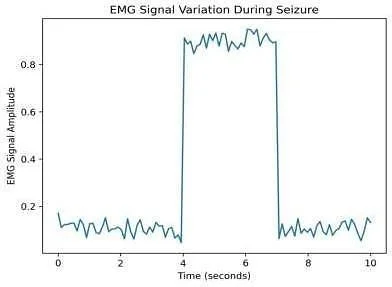
Fig. 5: The acceleration pattern recorded by the MPU6050 sensor during epileptic seizure activity.
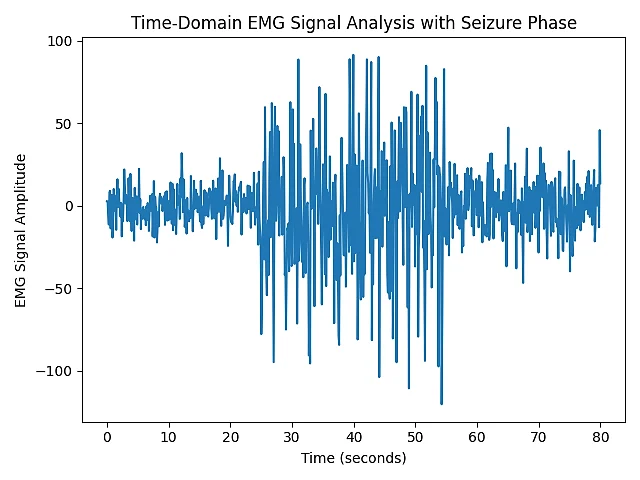
Fig. 6: EMG signal variation indicating muscle stiffness during seizure events.
7. Conclusion
In this paper, we have presented a wearable epileptic seizure detection bracelet designed for real-time monitoring and emergency alerting. Our experimental evaluation demonstrates that by integrating XIAO ESP32-C3, MPU6050, and a GPS module, the system effectively detects seizure-related motion patterns and transmits alerts to caregivers. The system achieves real-time seizure detection while maintaining a battery life of approximately 14–16 hours on a 1200 mAh battery. By implementing low-power sleep modes, the operational lifetime can be extended, ensuring efficient long-term usage. Furthermore, the optimized feature extraction process, using a four-second sliding window with 80% overlap, enables accurate seizure classification while balancing computational efficiency and power consumption. Additionally, the compact and lightweight design enhances the wearability of the device, making it a portable and practical solution for seizure monitoring. The system's low energy consumption and reduced dependency on Wi-Fi make it a suitable alternative to hospital-based monitoring, providing an affordable and accessible solution for patients. Overall, this wearable seizure detection system can significantly improve patient safety by providing timely alerts to family members, reducing the risks associated with epileptic seizures, and ultimately enhancing the quality of life for individuals with epilepsy.
Acknowledgement
The authors express their sincere gratitude to the Department of Electronics and Telecommunication Engineering, Sinhgad Institute of Technology, Lonavala, for providing the necessary facilities and support for this project. We also thank the faculty members, laboratory staff, and our fellow students for their cooperation and support. Finally, we acknowledge the support of Savitribai Phule Pune University, Pune, for providing the academic framework that enabled this research.
Funding Declaration
This research did not receive any specific grant from funding agencies in the public, commercial, or not-for-profit sectors.
Data Availability Statement
No publicly available dataset was used in this study. The work is based on the design, development, and prototype evaluation of a wearable epilepsy monitoring system. Additional technical details related to the prototype are available from the corresponding author upon reasonable request.
Conflict of Interest
There is no conflict of interest.
Artificial Intelligence (AI) Use Disclosure
The authors declare that artificial intelligence (AI)-assisted tools were used only for language refinement, grammar improvement, and manuscript structuring purposes during the preparation of this work. All technical content, experimental implementation, results, and interpretations were independently developed and verified by the authors.
Supporting Information
Not applicable.
References
- [01] D. Sopic, A. Aminifar, D. Atienza, e-Glass: A wearable system for real-time detection of epileptic seizures, in Proceedings of the 2018 IEEE International Symposium on Circuits and Systems (ISCAS), IEEE, 2018, 1–5, doi: 10.1109/ISCAS.2018.8351728.
- [02] S. Jahan, F. Nowsheen, M. M. Antik, M. S. Rahman, M. S. Kaiser, A. S. M. S. Hosen, I. H. Ra, AI-based epileptic seizure detection and prediction in internet of healthcare things: A systematic review, IEEE Access, 2023, 11, 30690–30725, doi: 10.1109/ACCESS.2023.3251105.
- [03] W. Truccolo, O. J. Ahmed, M. T. Harrison, E. N. Eskandar, G. R. Cosgrove, J. R. Madsen, A. S. Blum, N. S. Potter, L. R. Hochberg, S. S. Cash, Neuronal ensemble synchrony during human focal seizures, Journal of Neuroscience, 2014, 34, 9927–9944, doi: 10.1523/JNEUROSCI.4567-13.2014.
- [04] J. Tang, R. E. Atrache, S. Yu, U. Asif, M. Jackson, S. Roy, M. Mirmomeni, S. Cantley, T. Sheehan, S. Schubach, C. Ufongene, S. Vieluf, C. Meisel, S. Harrer, T. Loddenkemper, Seizure detection using wearable sensors and machine learning: Setting a benchmark, Epilepsia, 2021, 62, 1807–1819, doi: 10.1111/epi.16967.
- [05] A. Pantelopoulos, N. G. Bourbakis, A survey on wearable sensor-based systems for health monitoring and prognosis, IEEE Transactions on Systems, Man, and Cybernetics, Part C (Applications and Reviews), 2010, 40, 1–12, doi: 10.1109/TSMCC.2009.2032660.
- [06] J. Dan, B. Vandendriessche, W. V. Paesschen, D. Weckhuysen, A. Bertrand, Computationally-efficient algorithm for real-time absence seizure detection in wearable electroencephalography, International Journal of Neural Systems, 2020, 30, doi: 10.1142/S0129065720500355.
- [07] J. Zhang, L. Swinnen, C. Chatzichristos, V. Broux, R. Proost, K. Jansen, B. Mahler, N. Zabler, N. Epitashvilli, M. Dümpelmann, A. Schulze-Bonhage, E. Schriewer, U. Ermis, S. Wolking, F. Linke, Y. Weber, M. Symmonds, A. Sen, A. Biondi, M. P. Richardson, A. Sulaiman I, A. I. Silva, F. Sales, G. Vértes, W. V. Paesschen, M. D. Vos, Multimodal Wearable EEG, EMG and accelerometry measurements improve the accuracy of tonic-clonic seizure detection in-hospital, arXiv preprint, 2024, doi: 10.48550/arXiv.2403.13066.
- [08] J. E. Chukwunazo, O. O. Remigius, S. K. Ogbuokebe, Design and simulation of microcontroller based wireless patient intelligent health monitoring system with GSM alert technology, International Journal of Engineering Trends and Technology (IJETT), 2015, 24, 87–95, doi: 10.14445/22315381/IJETT-V24P217.
- [09] W. Zhao, W. F. Wang, L. M. Patnaik, B. C. Zhang, S. J. Weng, S. X. Xiao, D. Z. Wei, H. F. Zhou, Residual and bidirectional LSTM for epileptic seizure detection, Frontiers in Computational Neuroscience, 2024, 18, doi: 10.3389/fncom.2024.1415967.
- [10] P. Grant, M. Z. Islam, Seizure Detection from Electroencephalogram Signals via Wavelets and Graph Theory Metrics, arXiv preprint, 2023, doi: 10.48550/arXiv.2312.00811.
- [11] A. Shoeb, J. Guttag, Application of machine learning to epileptic seizure detection, In Proceedings of the 27th International Conference on International Conference on Machine Learning (ICML'10), Omnipress, 2010, 975–982, doi: 10.5555/3104322.3104446.
- [12] T. Conlon, H. J. Ruskin, M. Crane, Seizure characterisation using frequency-dependent multivariate dynamics, Computers in Biology and Medicine, 2009, 39, 760–767, doi: 10.1016/j.compbiomed.2009.06.003.
- [13] M. Z. Poh, T. Loddenkemper, C. Reinsberger, N. C. Swenson, S. Goyal, J. R. Madsen, R. W. Picard, Autonomic changes with seizures correlate with postictal EEG suppression, Neurology, 2012, 78, 1868–1876, doi: 10.1212/WNL.0b013e318258f7f.
- [14] E. Pereira, An IoT Approach to Personalised Remote Monitoring and Management of Epilepsy, 2017 14th International Symposium on Pervasive Systems, Algorithms and Networks & 2017 11th International Conference on Frontier of Computer Science and Technology & 2017 Third International Symposium of Creative Computing, 2017, doi: 10.1109/ISPAN-FCST-ISCC.2017.34.
- [15] E. Donner, O. Devinsky, D. Friedman, Wearable digital health technology for epilepsy, New England Journal of Medicine, 2024, 390, 736–745, doi: 10.1056/NEJMra2301913.
- [16] A. Bernini, J. Dan, P. Ryvlin, Ambulatory seizure detection, Current Opinion in Neurology, 2024, 37, 99–104, doi: 10.1097/WCO.0000000000001248.
- [17] M. Sasseville, E. Attisso, M. P. Gagnon, J. M. W. Supper, S. Ouellet, S. Amil, E. B. Assi, D. Khoa Nguyen, Performance, impact and experiences of using wearable devices for seizure detection in community-based settings: a mixed methods systematic review, Mhealth, 2024, 10, 27, doi: 10.21037/mhealth-24-7.
- [18] A. Ahuja, S. Agrawal, S. Acharya, N. Batra, V. Daiya, N. Batra, Advancements in wearable digital health technology: a review of epilepsy management, Cureus, 2024, 16, doi: 10.7759/cureus.57037.
- [19] J. Jeppesen, J. Christensen, O. A. Petersen, S. Fenger, S. A. Larsen, S. Wüstenhagen, S. R. Wagner, P. Johansen, S. Beniczky, Seizure detection using wearable electrocardiogram connected to a smartphone: a phase 3 clinical validation study, eBioMedicine, 2025, 116, 1228, doi: 10.1038/s41597-025-05580-x.
- [20] MPU-6050 Product Specification, InvenSense, 2013, https://www.digikey.in/en/products/detail/tdk-invensense/MPU-6050/4038009, Accessed 20 April 2026.
- [21] G. Regalia, F. Onorati, M. Lai, C. Caborni, R. W. Picard, Multimodal wrist-worn devices for seizure detection and advancing research: Focus on the Empatica wristbands, Epilepsy Research, 2019, 153, 79–82, doi: 10.1016/j.eplepsyres.2019.02.007.
- [22] L. Faust, J. Cui, C. Knepper, M. Nasseri, G. Worrell, B. H. Brinkmann, Detecting diverse seizure types with wrist-worn wearable devices: a comparison of machine learning approaches, MDPI Sensors, 2025, 25, 5562, doi: 10.3390/s25175562.
- [23] G. Japaridze, D. Loeckx, T. Buckinx, S. Armand Larsen, R. Proost, K. Jansen, P. MacMullin, N. Paiva, S. Kasradze, A. Rotenberg, L. Lagae, Automated detection of absence seizures using a wearable electroencephalographic device: a phase 3 validation study and feasibility of automated behavioral testing, Epilepsia, 2023, 64, S40–S46, doi: 10.1111/epi.17200.
- [24] J. Tang, R. El Atrache, S. Yu, U. Asif, M. Jackson, S. Roy, M. Mirmomeni, S. Cantley, T. Sheehan, S. Schubach, C. Ufongene, S. Vieluf, C. Meisel, S. Harrer, T. Loddenkemper, Seizure detection using wearable sensors and machine learning: Setting a benchmark, Epilepsia, 2021, 62, 1807–1819, doi: 10.1111/epi.16967.
- [25] MAX30102 Heart Rate and Pulse Oximeter Sensor Datasheet, Maxim Integrated, 2020, https://www.scribd.com/document/902561072/MAX30102-DATASHEET, Accessed 20 April 2026.
- [26] C. Baumgartner, J. Baumgartner, C. Lang, T. Lisy, J. P. Koren, Seizure Detection Devices, Journal of Clinical Medicine, 2025, 14, 863, doi: 10.3390/jcm14030863.
- [27] A. Y. Adwitiya, D. H. Hareva, I. A. Lazarusli, Epileptic Alert System on Smartphone, 2017 International Conference on Soft Computing, Intelligent System and Information Technology (ICSIIT), 2017, 288–291, doi: 10.1109/ICSIIT.2017.59.
- [28] Espressif Systems, ESP32-C3 Series Datasheet, 2022, https://www.espressif.com/sites/default/files/documentation/esp32-c3_datasheet_en.pdf, Accessed 21 April 2026.
- [29] F. Samie, L. Bauer, J. Henkel, IoT technologies for embedded computing: a survey, In Proceedings of the Eleventh IEEE/ACM/IFIP International Conference on Hardware/Software Codesign and System Synthesis (CODES '16), Association for Computing Machinery, 2016, 1–10, doi: 10.1145/2968456.2974004.
- [30] A. Agrahri, A. Tyagi, D. Kumar, S. Kusmakar, M. Palaniswami, B. Yan, Detection of Epileptic Seizure Using Accelerometer Time Series Data and Hidden Markov Model, 2022 44th Annual International Conference of the IEEE Engineering in Medicine & Biology Society (EMBC), 2022, 2426–2429, doi: 10.1109/EMBC48229.2022.9871914.
- [31] SIMCom, SIM800L GSM Module Hardware Design, SIMCom Wireless Solutions, 2020, https://components101.com/wireless/sim800l-gsm-module-pinout-datasheet-equivalent-circuit-specs, Accessed 20 April 2026.
- [32] S. Beniczky, I. Conradsen, O. Henning, M. Fabricius, P. Wolf, Automated real-time detection of tonic-clonic seizures using a wearable EMG device, Neurology, 2018, 90, 428–434, doi: 10.1212/WNL.0000000000004893.
- [33] u-blox AG, NEO-6 u-blox 6 GPS Modules Data Sheet, 2011, https://content.u-blox.com/sites/default/files/products/documents/NEO-6_DataSheet_(GPS.G6-HW-09005).pdf, Accessed 27 April 2026.
- [34] I. Singh, D. Kumar, Improving IOT Based Architecture of Healthcare System, 2019 4th International Conference on Information Systems and Computer Networks (ISCON), 2019, 113–117, doi: 10.1109/ISCON47742.2019.9036287.
- [35] T. M. Ingolfsson, U. Chakraborty, X. Wang, S. Beniczky, P. Ducouret, S. Benatti, P. Ryvlin, A. Cossettini, L. Benini, EpiDeNet: An Energy-Efficient Approach to Seizure Detection for Embedded Systems, arXiv preprint, 2023, doi: 10.48550/arXiv.2309.07135.
- [36] S. Mekruksavanich, W. Phaphan, A. Jitpattanakul, Epileptic seizure detection in EEG signals via an enhanced hybrid CNN with an integrated attention mechanism, Mathematical Biosciences and Engineering, 2025, 22, 73–105, doi: 10.3934/mbe.2025004.
- [37] I. Y. Potter, G. Zerveas, C. Eickhoff, D. Duncan, Unsupervised Multivariate Time-Series Transformers for Seizure Identification on EEG, arXiv preprint, 2023, doi: 10.1109/ICMLA55696.2022.00208.
- [38] Z. ElSayed, M. Ozer, N. Elsayed, A. Abdelgawad, Machine Learning Based IoT Adaptive Architecture for Epilepsy Seizure Detection: Anatomy and Analysis, arXiv preprint, 2023, doi: 10.48550/arXiv.2305.19347.
- [39] S. Aziz, A. A. M. Ali, H. Aslam, N. U. Ain, A. Tariq, Z. Sohail, S. Murtaza, Wearable Artificial Intelligence for Epilepsy: Scoping Review, Journal of Medical Internet Research, 2025, 27, e73593, doi: 10.2196/73593.
- [40] L. Hadady, P. Klivényi, D. Fabó, S. Beniczky, Wearable Devices for Seizure Detection: Practical Experiences and Recommendations, Epilepsia, 2018, 3, 2–16, doi: 10.1111/epi.17189.
- [41] A. Djemal, D. Bouchaala, A. Fakhfakh, O. Kanoun, Wearable Electromyography Classification of Epileptic Seizures: A Feasibility Study, Bioengineering, 2023, 10, 703, doi: 10.3390/bioengineering10060703.
- [42] W. T. Kerr, K. N. McFarlane, G. F. Pucci, The present and future of seizure detection, prediction, and forecasting with machine learning, including the future impact on clinical trials, Frontiers in Neurology, 2024, 15, doi: 10.3389/fneur.2024.1425490.
- [43] M. Bhagubai, C. Chatzichristos, L. Swinnen, J. Macea, J. Zhang, L. Lagae, K. Jansen, A. Schulze-Bonhage, F. Sales, B. Mahler, Y. Weber, W. V. Paesschen, M. De Vos, SeizeIT2: Wearable dataset of patients with focal epilepsy, Scientific Data, 2025, 12, 1228, doi: 10.1038/s41597-025-05580-x.
© The Author(s) 2026