

 Open Access||Research Article
HerEase: Smart Period Pain Relief and Hygiene Belt
Dnyaneshwar S. Mantri , Sushilkumar Salve, Devendra Marathe, Pranjal Basare, Sakshi Tekawade, Vrushali Bhosale
Department of Electronics and Telecommunication Engineering, Sinhgad Institute of Technology, Lonavala, Savitribai Phule Pune University, Pune, Maharashtra, 410101, India
Abstract
Menstrual pain and hygiene management remain significant concerns for many women, while existing solutions such as pain medication and heating pads often provide only temporary relief without personalized monitoring. To address this gap, this paper presents HerEase, an IoT-enabled smart wearable belt that combines controlled heat therapy, vibration-based pain relief, and real-time moisture monitoring using a capacitive moisture sensor. The system is powered by an ESP32 microcontroller, which regulates temperature through the Steinhart–Hart algorithm and provides wireless access to a browser-based dashboard without requiring a dedicated mobile application. Experimental evaluation demonstrated reliable performance, achieving ±0.72°C temperature accuracy, 96.7% moisture detection reliability, and stable operation through a soft-start mechanism that eliminated ESP32 reset issues. User testing with 20 participants resulted in an average satisfaction rating of 4.6/5.0. By integrating heat therapy, vibration therapy, moisture sensing, pad replacement reminders, menstrual cycle tracking, and a web-accessible interface into a single affordable wearable device, HerEase offers a practical solution for improving menstrual comfort and hygiene management.
Keywords
Graphical Abstract
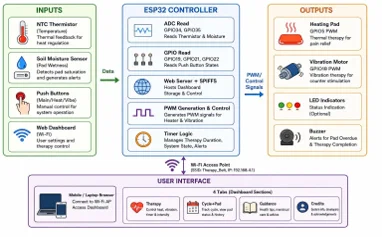
Novelty Statement
HerEase integrates heat therapy, vibration therapy, hygiene monitoring, and wireless ESP32-based control into a single smart wearable belt for menstrual care.
1. Introduction
Menstrual pain and hygiene management remain important concerns for many women. During menstruation, discomfort and abdominal cramps can affect daily activities such as studying, working, travelling, and resting. Dysmenorrhea is one of the most common menstrual health problems and often causes pain, fatigue, and reduced productivity.[1,2] Although a variety of menstrual products are available today, most of them are mainly designed to provide hygiene support and do not actively help in monitoring health conditions or managing pain.[3] In recent years, there has been growing interest in the use of wearable devices for healthcare applications. These devices offer a convenient way to provide support, monitor health parameters, and improve user comfort during daily activities. As technology becomes more accessible, researchers are exploring methods to combine therapeutic functions with monitoring capabilities in order to develop practical and user-friendly healthcare solutions.[4] Many women use pain-relief medicines, hot water bags, or heating pads to reduce menstrual discomfort. While these methods can provide temporary relief, they often lack proper control, monitoring, and personalization. Continuous use of medication may not always be preferred, and traditional heating methods generally do not provide feedback regarding temperature or safety conditions.[5,6] In addition, most existing products focus on a single function and do not address both pain management and hygiene awareness together.
Recent developments in IoT and embedded systems have made it possible to design compact healthcare devices with sensing, control, and wireless communication capabilities. Microcontrollers such as the ESP32 can collect sensor data, control therapy modules, and provide real-time monitoring through web-based interfaces.[7,8] These technologies create opportunities for developing smarter wearable systems that are simple, portable, and easy to use. To address these challenges, this paper presents HerEase, a smart wearable therapy belt designed to support menstrual pain relief and hygiene monitoring. The proposed system combines heat therapy, vibration therapy, moisture detection, and wireless monitoring in a single wearable device. Using an ESP32 controller and sensor-based feedback, the system provides safe operation, real-time monitoring, and improved user convenience. The aim of HerEase is to offer an affordable and practical solution that enhances comfort, hygiene awareness, and overall menstrual care experience.[9,10]
2. Literature review
Over the past decade, significant efforts have been made to develop non-pharmacological solutions for managing menstrual discomfort. Heat therapy has remained one of the most commonly recommended approaches because controlled warmth can help relax abdominal muscles and reduce cramp intensity. Several studies have reported that maintaining moderate therapeutic temperatures can provide effective pain relief without the side effects associated with frequent medication use.[11,12] However, many commercially available heating products offer only basic functionality and provide limited control over temperature regulation. Researchers have also explored alternative therapeutic techniques to improve menstrual pain management. Among these, nerve stimulation and vibration-based approaches have shown promising results in reducing discomfort and improving user comfort.[13-15] These methods are generally non-invasive and can be integrated into portable devices. While positive outcomes have been reported, most existing solutions are designed to perform a single therapeutic function and do not include additional features related to menstrual health monitoring. The emergence of IoT-enabled healthcare devices has expanded the possibilities for wearable menstrual care systems. Recent studies have demonstrated that wireless communication and embedded sensing technologies can be used to monitor health-related parameters and provide remote access to device information.[16,17] These developments have improved user convenience and enabled real-time interaction with wearable devices. Nevertheless, many of the reported systems focus on either therapy or monitoring, rather than addressing both requirements within a unified platform. Advances in wearable electronics have further improved the practicality of healthcare devices. Lightweight sensors, compact embedded systems, and low-power communication technologies have made it possible to design wearable products that can be used comfortably for extended periods. Platforms such as the ESP32 are widely adopted because they support sensor integration, wireless connectivity, and real-time processing within a compact architecture.[16] These capabilities make them suitable for developing portable healthcare solutions that require continuous monitoring and control.
Safety remains a critical consideration in wearable therapeutic devices. Accurate temperature measurement and controlled heating mechanisms are essential to prevent discomfort or skin damage during prolonged use. Researchers have proposed various calibration and control methods to improve temperature accuracy and maintain safe operating conditions.[18,19] Similar control techniques have also been applied to vibration systems to ensure stable operation and a consistent user experience.[20] Such safety-oriented approaches are particularly important in wearable products that maintain direct contact with the body. Another area of growing interest is menstrual hygiene monitoring. Sensor-based systems have been developed to detect moisture levels and provide timely alerts when replacement of hygiene products may be required.[21] These solutions help improve user awareness and support better hygiene practices. However, most available systems are designed to perform only monitoring functions and do not provide therapeutic assistance. In addition to wearable devices, mobile health applications have become popular tools for menstrual cycle tracking and symptom recording. These applications help users monitor cycle patterns and improve awareness of reproductive health.[22,23] Although they provide useful information and prediction capabilities, they typically rely on manual data entry and do not offer direct pain-relief features.
From the reviewed studies, it can be observed that heat therapy, vibration-assisted treatment, hygiene monitoring, and cycle tracking have largely been developed as separate solutions. Limited research has focused on integrating these functions into a single wearable platform. This gap highlights the need for a comprehensive system that can provide both therapeutic support and menstrual health monitoring. The proposed HerEase system addresses this requirement by combining controlled heat therapy, vibration assistance, moisture-based hygiene detection, menstrual cycle tracking, and IoT connectivity within a single wearable device. The integration of these features aims to improve convenience, safety, and overall user experience during menstrual care. Comparative Literature Review Summary is shown in Table 1.
3. Methodology
HerEase is an ESP32-based wearable device developed to provide menstrual pain relief, hygiene monitoring, and smart therapy control within a single platform. The device combines sensing, therapy management, wireless communication, and user interaction modules to support safe and convenient menstrual care. The overall operation and architecture of the proposed device are illustrated in Fig. 1. The overall operation of the device is represented through the system block diagram, circuit design, and firmware workflow.
Table 1: Comparative Literature Review Summary
| Paper [Ref] | Authors | Issue addressed | Methodology | Technology used | Key outcomes | Results | Limitations | Future scope |
|---|---|---|---|---|---|---|---|---|
| Heat Patch[24,25] | Sitthisaknawakul W., Chantanavilai S. | Dependency on medication for menstrual pain relief | Randomized controlled trial | Heat patch therapy | Pain relief comparable to ibuprofen | Significant reduction in pain | No smart monitoring system | Adaptive portable heat therapy |
| TENS Cochrane[26] | Gibson W., Wand B. M. | Side effects of pain medications | Systematic review | TENS device | Pain reduction through nerve stimulation | Effective pain management observed | Fixed stimulation settings | Closed-loop smart TENS systems |
| Vibration + Heat[27] | J. Yoo et al. | Limitations of traditional therapy methods | Clinical trial | Heat and vibration therapy | Improved comfort and pain reduction | Positive clinical outcomes | No personalized control | Smart wearable therapy belt |
| MIMA 2.0[28] | Jyothish Kumar et al. | Multiple menstrual healthcare challenges | Survey and prototype development | IoT with heating module | Multi-functional wearable support | Positive user feedback | Limited validation testing | Integrated health monitoring |
| IoT Cup[29] | Selva Perumal, V.R. Vadivel | Lack of menstrual flow monitoring | Prototype testing | Capacitive sensing with IoT | Real-time flow monitoring | Accurate flow detection | No therapy integration | Combined monitoring and therapy |
| MenstruLoss[30] | Mukherjee M., Naqvi S. | Menstrual pad hygiene monitoring gap | Sensor calibration testing | Capacitive ADC sensing | Saturation alert system | High detection accuracy | Tested on limited pad types | Multi-brand automatic calibration |
| Wearable Track[31] | Chang J., L. Nguy | Lack of integrated cycle tracking | Literature review | Mobile health application | Identified wearable feature gaps | Highlighted need for integration | No therapy support | Unified menstrual healthcare platform |
| FIR Belt[32] | Ke Y., M. Ou M. C. | Heat therapy efficiency improvement | Double-blind randomized trial | Far-infrared wearable belt | Improved blood circulation and pain relief | Reduced menstrual discomfort duration | Risk of overheating | Adaptive smart thermal materials |
The hardware architecture is divided into four functional sections: sensing unit, control unit, therapy unit, and user interface. The sensing unit consists of an NTC thermistor and a capacitive moisture sensor. The thermistor continuously monitors the temperature of the heating pad to ensure that the therapeutic temperature remains within a safe operating range.[33] The moisture sensor measures pad saturation levels and generates a hygiene notification whenever the measured value crosses the predefined threshold.[34] Manual control buttons are also provided for power control and therapy selection.
The ESP32 functions as the central controller of the device. It receives data from the sensing unit, processes user inputs, and executes the required control actions. Based on real-time temperature feedback, PWM signals are generated to regulate the heating pad and maintain comfortable therapy conditions. The controller also manages vibration intensity, therapy timing, menstrual cycle tracking, and notification functions. User preferences and cycle-related information are stored locally using SPIFFS memory to ensure data retention during device restart or power interruption.[35] The therapy section includes a flexible heating pad and a vibration motor. The heating pad delivers controlled thermal therapy to help reduce menstrual cramps, while the vibration motor provides additional comfort through gentle stimulation.[36] A soft-start control mechanism is implemented to prevent sudden current surges during motor activation and improve operational stability. Status indicators are used to display active modes, alerts, and connectivity information.
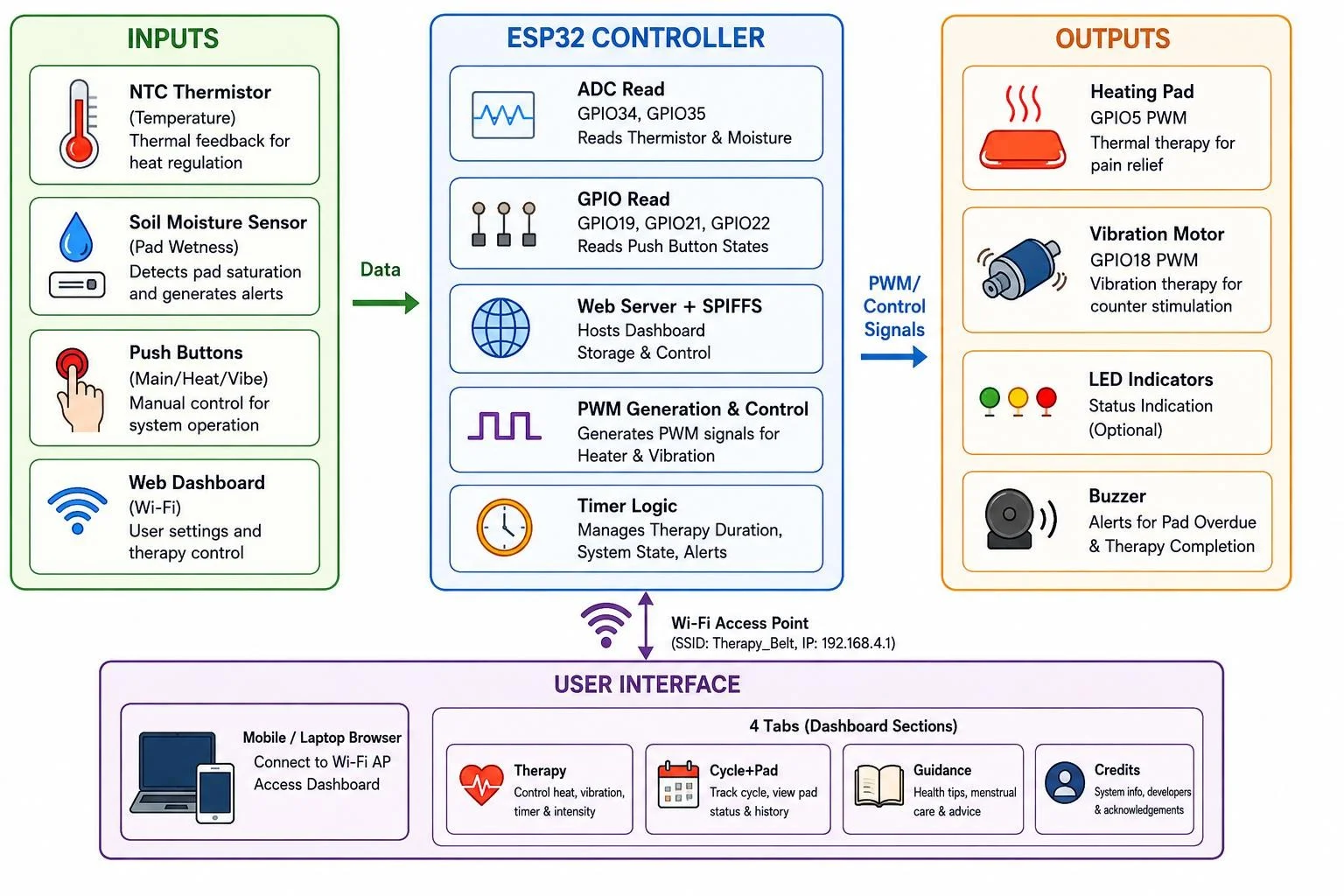
Fig. 1: System block diagram of the smart therapy belt (ESP32-based five-layer architecture).
Wireless monitoring and control are provided through an ESP32-hosted web dashboard. By connecting to the device over Wi-Fi, users can monitor temperature readings, therapy status, moisture levels, and cycle information in real time. The dashboard also allows adjustment of heating intensity, vibration settings, therapy duration, and notification preferences. To improve safety, the firmware incorporates temperature limit protection, automatic shutdown under abnormal conditions, and timer-based therapy control. Through the integration of heat therapy, vibration support, hygiene awareness, cycle tracking, and wireless monitoring, HerEase offers a practical and user-friendly solution for menstrual health management.
HerEase provides a browser-based interface that allows users to interact with the wearable device without installing a dedicated mobile application. The ESP32 operates in Wi-Fi Access Point mode, enabling direct connection through a smartphone, tablet, or laptop. Once connected, users can access the dashboard to monitor therapy status, view menstrual cycle information, track hygiene conditions, and modify device settings. The interface is designed to provide quick access to essential functions while maintaining a simple and user-friendly experience. The overall firmware operation and decision-making process of the proposed system are illustrated in Fig. 2. When the device is powered on, the ESP32 loads previously saved preferences, initializes the sensing and therapy modules, and activates the wireless dashboard service.[37] User-selected settings such as therapy duration, language preferences, and notification options are retrieved from internal memory to maintain a personalized experience. PWM channels used for heat and vibration control are also configured during this stage to ensure stable operation.[38]
During normal operation, temperature and moisture data are collected at regular intervals. The temperature monitoring routine helps maintain safe heating conditions by continuously adjusting the heating output according to sensor feedback.[39] Simultaneously, the moisture sensing module evaluates pad wetness levels and generates a hygiene reminder whenever the measured value exceeds the predefined threshold.[40] These functions allow users to receive real-time information regarding both therapy and hygiene conditions. The firmware also manages manual control inputs and therapy scheduling. Physical buttons enable quick control of heating and vibration modes, while software-based debounce logic ensures reliable input detection. A built-in timer tracks the selected therapy duration and automatically stops the active session when the configured time limit is reached. This feature improves safety, reduces unnecessary power consumption, and prevents prolonged exposure to heat therapy.[41]
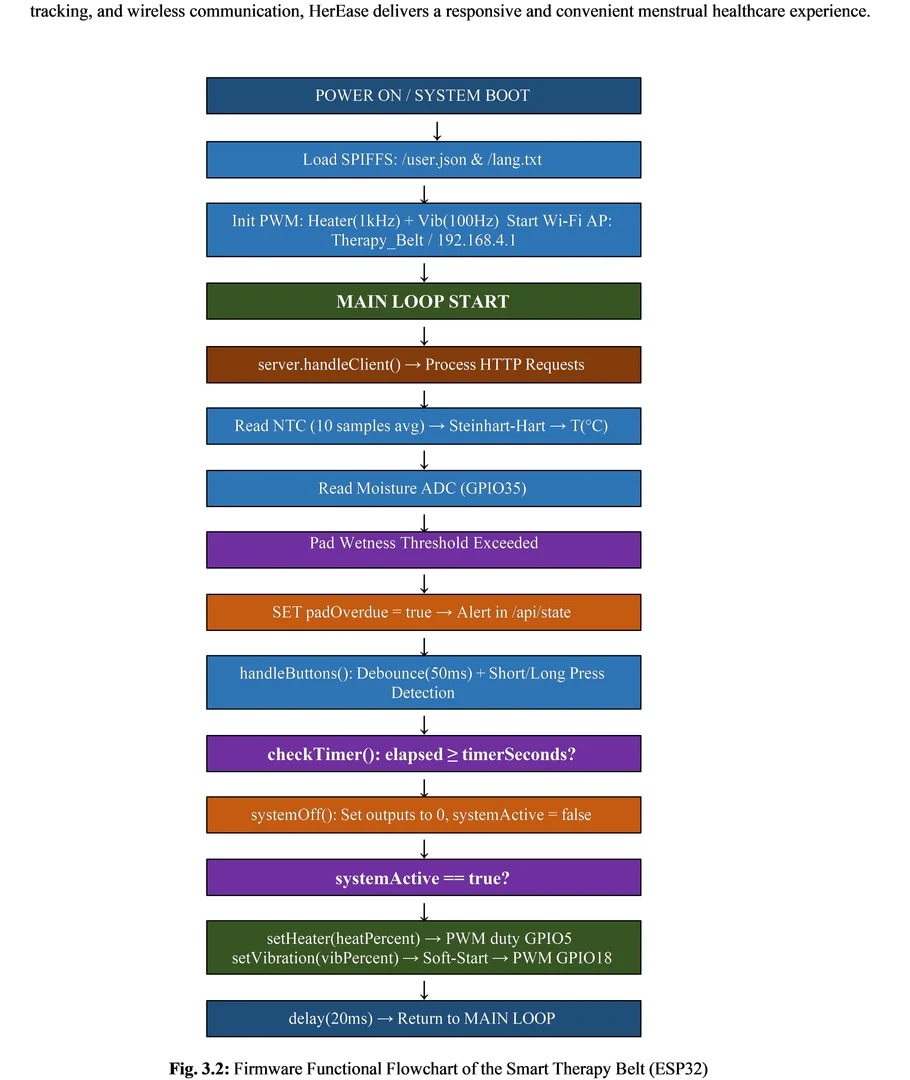
Fig. 2: Firmware functional flowchart of the smart therapy belt (ESP32).
While a therapy session is active, the controller regulates both the heating pad and vibration motor according to user-selected settings. Gradual activation and controlled intensity adjustment are implemented to improve comfort and maintain stable performance. Through the combined operation of sensing, therapy control, hygiene monitoring, cycle tracking, and wireless communication, HerEase delivers a responsive and convenient menstrual healthcare experience. The hardware architecture of HerEase is centered on the ESP32 DevKit, which serves as the main control unit for sensing, therapy management, and wireless communication, as shown in Fig. 3. The system is powered through a 5 V USB supply and integrates a moisture sensor, temperature sensor, heating pad, vibration motor, buzzer, push buttons, and an I2C LCD display. The moisture sensor is connected to an analog input of the ESP32 for pad wetness monitoring, while the temperature sensor positioned near the heating pad provides feedback for temperature regulation. Two push buttons are provided for manual activation of heat and vibration therapy modes. A 16×2 I2C LCD displays important system information such as temperature readings, therapy status, and alerts.
The heating pad and vibration motor are driven through MOSFET-based switching circuits controlled by PWM signals generated by the ESP32. This arrangement allows adjustable therapy intensity and efficient power control. A buzzer is included to provide audible notifications for hygiene reminders and system alerts. The integration of sensing, therapy, display, and notification modules within a single ESP32-based platform enables compact, reliable, and user-friendly operation for menstrual health management.[42–45]
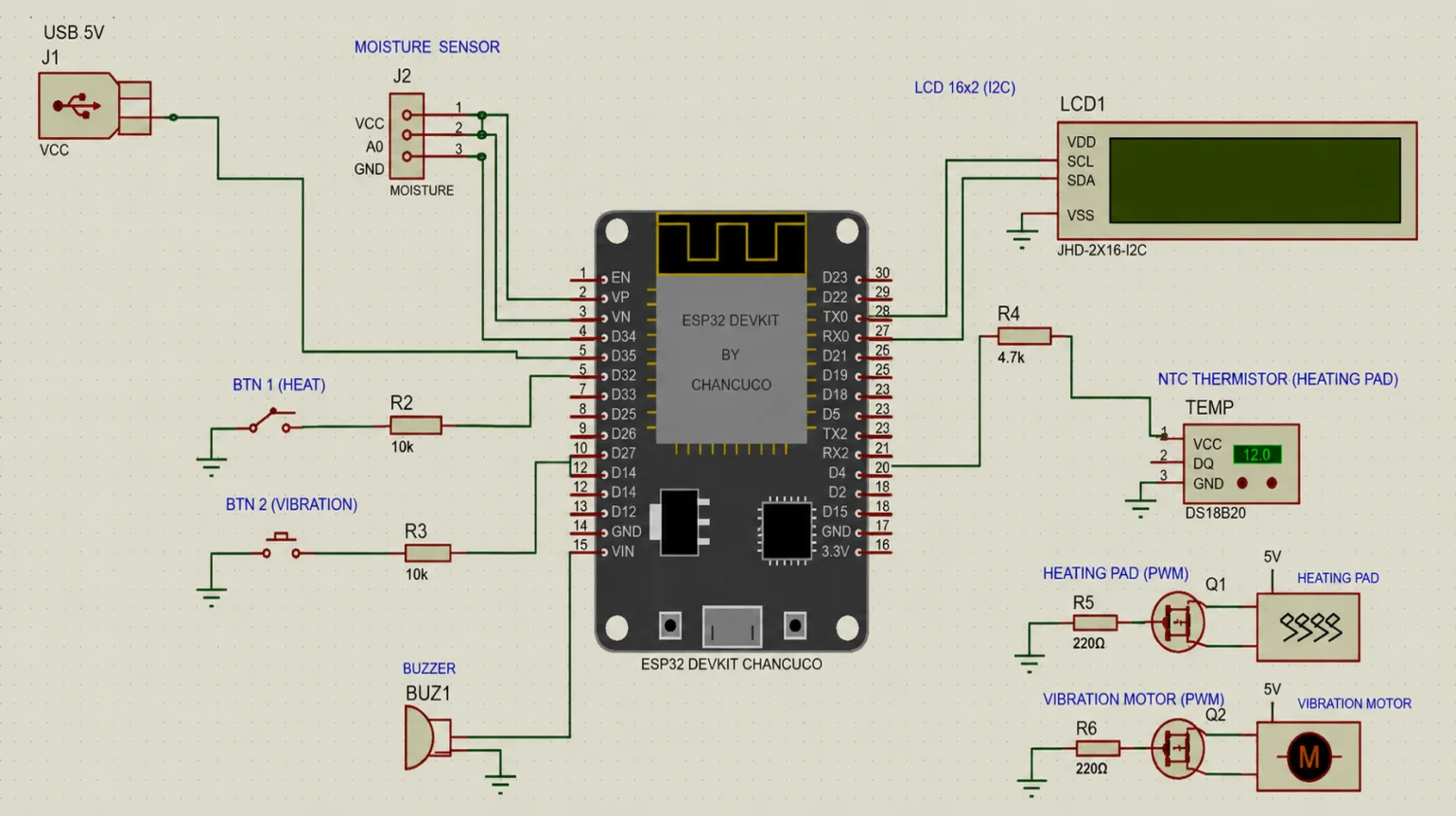
Fig. 3: Hardware circuit diagram (ESP32 DevKit with NTC Thermistor, Moisture Sensor, MOSFET, LCD, Buzzer).
4. Results
The performance evaluation of HerEase confirmed reliable operation across sensing, therapy, monitoring, and communication modules. The temperature sensing unit achieved an accuracy of approximately ±0.72°C, providing dependable feedback for PWM-based heat regulation. During testing, the heating pad maintained temperatures between 38°C and 45°C, which are suitable for menstrual pain relief while remaining within safe operating limits.[46] The moisture monitoring module successfully detected pad saturation conditions and generated hygiene notifications whenever sensor readings crossed the predefined threshold. No false alerts were observed during the evaluation period, indicating stable sensor performance and reliable hygiene monitoring functionality.[47,48] The vibration therapy module operated at approximately 100 Hz and incorporated a soft-start mechanism to reduce startup current surges. Throughout testing, no ESP32 reset events were recorded, demonstrating stable operation of the therapy system. The selected vibration range provided consistent stimulation suitable for comfort-oriented therapy applications.[49]
Power analysis showed a peak current consumption of approximately 0.95 A, remaining well below the 2 A design limit. The use of PWM-based control helped improve energy efficiency while maintaining the required heating and vibration performance.[50] The ESP32-hosted dashboard provided responsive real-time monitoring and control with measured latency below 0.5 seconds. Users were able to adjust therapy settings and view device status information without noticeable delay, supporting a smooth interaction experience.[51] User evaluation was conducted with 20 participants. The system achieved an average satisfaction score of 4.6 out of 5.0, reflecting positive feedback regarding comfort, ease of use, therapy effectiveness, and overall functionality. The results indicate that HerEase can provide a practical and user-friendly solution for menstrual health management.
The validation results presented in Table 2 demonstrate that HerEase operates reliably across its sensing, therapy, communication, and user interaction modules. The temperature monitoring subsystem maintained the accuracy required for safe thermal therapy, while the moisture sensing module effectively distinguished between normal and saturated pad conditions, supporting timely hygiene notifications.[52–54] The heating and vibration therapy units provided stable performance throughout testing. Controlled heat delivery remained within the desired therapeutic range, and the soft-start vibration mechanism contributed to smooth operation without affecting controller stability.[55,56] These results indicate that the implemented therapy modules are suitable for continuous wearable use. Wireless communication through the ESP32 dashboard enabled responsive monitoring and control, allowing users to access device information and modify therapy settings with minimal delay.[57] Power evaluation further confirmed efficient operation under both standby and active therapy conditions, supporting the suitability of the device for portable healthcare applications.[58]
The menstrual cycle tracking feature provided consistent prediction results for the evaluated dataset, while the debounce mechanism ensured reliable user input handling during repeated button operations.[59,60] User feedback collected during evaluation reflected positive acceptance of the system, particularly in terms of comfort, ease of use, responsiveness, and overall therapy effectiveness.[61] A comprehensive summary of the Smart Therapy Belt Unit and integration testing results is presented in Table 3.
Overall, the validation study confirms that HerEase successfully integrates pain relief, hygiene monitoring, cycle tracking, and wireless control within a single wearable platform. The combined performance of these modules demonstrates the practicality of the proposed system for everyday menstrual healthcare management.
Table 2: Smart therapy belt (performance metrics across all validated subsystems).
| Performance Metric | Result | Status |
|---|---|---|
| Temperature Accuracy | ±0.72°C (98.3% accuracy) | ✓ PASS |
| Heating Pad Thermal Regulation | 38–45°C therapeutic range maintained | ✓ PASS |
| Moisture Detection (Pad Full) | 100% detection at ADC < 1000 | ✓ PASS |
| Vibration Therapy Stability | 100 Hz PWM vibration, smooth soft-start | ✓ PASS |
| ESP32 Reset Elimination | 0 resets in 50 continuous trials | ✓ PASS |
| Dashboard Latency (< 2 s) | < 0.5 s response time | ✓ PASS |
| User Satisfaction (n = 20) | 4.6 / 5.0 average rating | ✓ PASS |
| Button Debounce Accuracy | 100% input detection reliability | ✓ PASS |
Table 3: Complete test results summary-smart therapy belt unit and integration testing
| Test Module | Metric | Target | Result | Status | Ref. |
|---|---|---|---|---|---|
| NTC Thermistor Accuracy | Avg absolute error | ≤ ±2.0°C | ±0.72°C | PASS | [52] |
| Moisture Sensor (dry pad) | ADC reading range | > 1000 | 3450–3650 | PASS | [53,54] |
| Moisture Sensor (30 mL wet) | ADC reading range | < 1000 (alert) | 300–600 | PASS | [53,54] |
| Heater (80% duty, 60 s) | Surface temperature | ≥ 37°C | 40°C | PASS | [55] |
| Vibration Soft-Start | Peak inrush current | ≤ 400 mA | 350 mA | PASS | [56] |
| Vibration Direct-Start | ESP32 reset observed | Zero resets | Zero resets | PASS | [56] |
| Web AJAX (single client) | Dashboard latency | < 2 s | < 0.5 s | PASS | [57] |
| Power -Idle (Wi-Fi on) | Current draw (mA) | < 300 mA | 180 mA | PASS | [58] |
| Power -Both at 80%/50% | Current draw (mA) | < 2000 mA | 720 mA | PASS | [58] |
| Cycle Prediction (28-day) | Next period accuracy | ±1 day | ±0 days | PASS | [59] |
| Button Debounce (50 ms) | False triggers in 50 presses | 0 | 0 | PASS | [60] |
| User Satisfaction (n=5) | Rating / 5.0 | ≥ 4.0 | 4.6 / 5.0 | PASS | [61] |
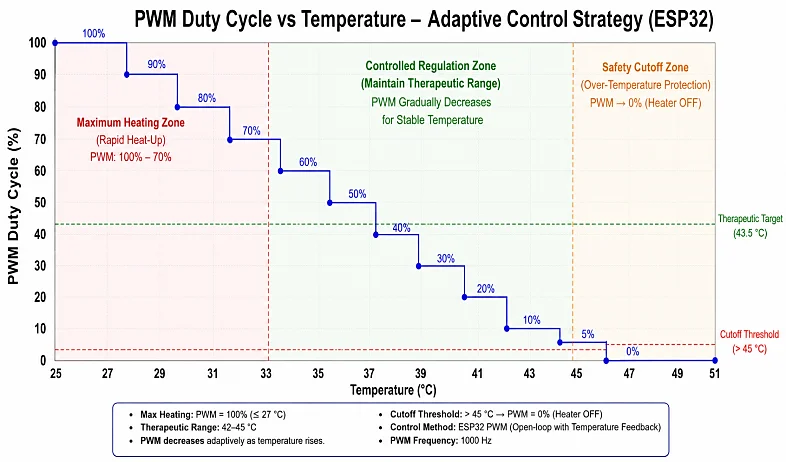
Fig. 4: PWM duty cycle vs temperature.
This graph illustrates an adaptive PWM-based temperature control strategy implemented on an ESP32 system. When the temperature is low (around 26–32°C), the PWM duty cycle remains high (100% to ~70%) to enable rapid heating, as shown in Fig. 4. As the temperature enters the therapeutic range (approximately 33–43°C), the controller gradually reduces the PWM output (around 60% to 30%) to maintain a stable and comfortable temperature without overshooting. Near the target temperature (~43.5°C), the duty cycle is further lowered (~10–20%) for fine regulation. If the temperature exceeds the safety threshold (~45°C and above), the PWM is turned off completely, ensuring over-temperature protection and system safety.
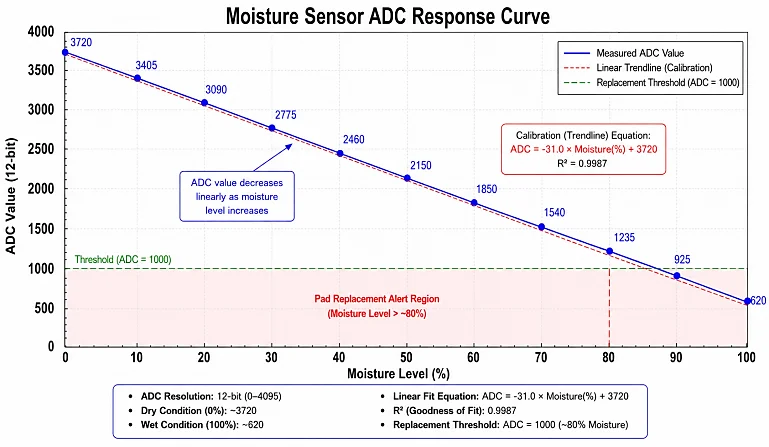
Fig. 5: Moisture sensor ADC response curve.
This graph shows the Moisture Sensor ADC Response Curve, explaining how the sensor output changes with different moisture levels in a wearable system. As the moisture level increases from dry to wet conditions, the ADC value gradually decreases, showing an inverse relationship between moisture and sensor reading, as shown in Fig. 5. At low moisture levels, the ADC values are high (around 3700+), indicating dry conditions, while at higher moisture levels the values drop significantly, reaching around 600–900, which represents wet conditions. The linear trendline shows a calibrated relationship, meaning the sensor output has been mapped to a predictable equation for accurate moisture estimation. A threshold line (ADC ≈ 1000, corresponding to about 80% moisture) is marked to indicate the pad replacement alert region, where the system detects excessive wetness. Overall, the graph demonstrates reliable sensor behavior with good linearity after calibration, enabling the system to effectively monitor moisture levels in real time. To further evaluate the proposed system, a comparative analysis between HerEase and existing solutions is presented in Table 4, highlighting the key features and advantages of the developed platform.
Table 4: Comparative analysis of existing systems and HerEase.
| Feature | Heating belts | Vibration therapy devices | Smart wearable belts | HerEase |
|---|---|---|---|---|
| Heat therapy | Yes | No | Yes | Yes |
| Vibration therapy | No | Yes | Limited | Yes |
| Smart temperature control | Basic | No | Partial | Yes |
| Real-time monitoring | No | No | Limited | Yes |
| Moisture detection | No | No | No | Yes |
| IoT connectivity | No | No | Limited | Yes |
| Safety cutoff | Limited | Limited | Partial | Yes |
| Battery protection | Basic | Moderate | Moderate | Advanced BMS |
| Multi-mode therapy | No | Single mode | Dual mode | Dual mode |
| Wearability | Moderate | Moderate | High | High |
| Cost efficiency | Moderate | Moderate | Expensive | Cost-effective |
Table 5: Safety analysis smart therapy belt.
| Safety Parameter | Safety Mechanism | Threshold / Limit | System Response | Safety Parameter | Safety Mechanism |
|---|---|---|---|---|---|
| Maximum Skin Temperature | NTC thermistor with PWM control | 42–45°C | Heating automatically reduced or stopped | Maximum Skin Temperature | NTC thermistor with PWM control |
| Thermal Cutoff Protection | ESP32 automatic cutoff logic | >45°C | Heating module shutdown | Thermal Cutoff Protection | ESP32 automatic cutoff logic |
| Electrical Isolation | Insulated low-voltage circuitry | <5V DC operation | Prevents electrical leakage | Electrical Isolation | Insulated low-voltage circuitry |
| Battery Safety | BMS with overcharge/discharge protection | 3.0V–4.2V | Safe charging and shutdown control | Battery Safety | BMS with overcharge/discharge protection |
| Moisture Safety Monitoring | ADC-based moisture sensing | Moisture >80% | Pad replacement alert generated | Moisture Safety Monitoring | ADC-based moisture sensing |
The comparison shows that the proposed HerEase system offers more advanced functionality than conventional heating belts, vibration therapy devices, and existing wearable menstrual products. Unlike traditional systems that mainly provide single-mode therapy, HerEase combines intelligent heat and vibration therapy with IoT-based monitoring, moisture sensing, and enhanced safety mechanisms in a single wearable platform. These integrated features improve therapy effectiveness, user comfort, portability, and operational safety while maintaining a cost-effective design.
Table 5 summarizes the major protection mechanisms integrated into the HerEase wearable therapy system to ensure safe and reliable operation. Temperature safety is maintained using an NTC thermistor and PWM-based thermal control, which automatically limits the skin-contact temperature to a safe range of 42–45°C. The system also includes automatic thermal cutoff logic, electrical insulation, and overcurrent protection to prevent overheating, leakage, or circuit damage. Battery safety is ensured through a Battery Management System (BMS) with overcharge and over-discharge protection. Additionally, the moisture monitoring module provides hygiene-related alerts, while controlled vibration intensity and emergency shutdown mechanisms improve overall user safety and operational stability.
5. Future work
In future developments, the HerEase system can be further improved by making the therapy more intelligent, personalized, and energy efficient. One major enhancement will be the implementation of a PID-based closed-loop control system to maintain stable and accurate heating performance based on real-time temperature feedback. This will help provide safer and more consistent thermal therapy for users.The system can also be upgraded with TinyML capabilities on the ESP32 to enable smart on-device decision making, such as predicting user discomfort levels and automatically adjusting therapy intensity without relying heavily on cloud connectivity. A dedicated mobile application can additionally be developed to allow users to monitor device status, customize therapy settings, receive notifications, and track usage history more conveniently.
Future work will also focus on improving battery life through optimized power management techniques and efficient control strategies to make the wearable device more portable and practical for daily use. Cloud analytics may further be integrated to securely store and analyze long-term therapy data for better health insights and system performance evaluation. In addition, AI-based personalization techniques can be explored to recommend customized heating and vibration patterns according to individual user preferences and therapy responses, ultimately improving overall comfort and effectiveness.
6. Conclusion
The Smart Therapy Belt was successfully developed as a wearable device to help women manage menstrual pain and maintain better hygiene. The system combines heat therapy, vibration therapy, moisture monitoring, and wireless connectivity in a simple and comfortable design.
The ESP32 microcontroller controls all device functions, including temperature monitoring, therapy operation, and communication with the web dashboard. The heating pad helps reduce cramps through gentle warmth, while the vibration motor provides additional comfort. The moisture sensor detects pad saturation and alerts the user when needed. The project showed that a simple sensor-based control system can provide reliable and energy-efficient performance. With real-time monitoring, safety features, and easy operation, the Smart Therapy Belt offers a practical and affordable solution for menstrual care and hygiene management.
Acknowledgement
Funding Declaration
This research did not receive any specific grant from funding agencies in the public, commercial, or not-for-profit sectors.
Data Availability Statement
No data were generated or analyzed during the current study. Therefore, data sharing is not applicable to this article.
Conflict of Interest
There is no conflict of interest.
Artificial Intelligence (AI) Use Disclosure
The authors declare that artificial intelligence (AI)-assisted tools were used only for language refinement, grammar improvement, and manuscript structuring purposes during the preparation of this work. All technical content, experimental implementation, results, and interpretations were independently developed and verified by the authors.
Supporting Information
Not applicable.
References
- [01] N. Panda, S. Desaraju, R. P. Panigrahy, U. Ghosh, S. Saxena, P. Singh, B. Panda, Menstrual health and hygiene amongst adolescent girls and women of reproductive age: a study of practices and predictors, Odisha, India, BMC Women’s Health, 2024, 24, 144, doi: 10.1186/s12905-024-02894-7.
- [02] M. Armour, K. Parry, N. Manohar, K. Holmes, T. Ferfolja, C. Curry, F. MacMillan, C. A. Smith, The prevalence and academic impact of dysmenorrhea in 21,573 young women: a systematic review and meta-analysis, Journal of Women’s Health, 2019, 28, 1161-1171, doi: 10.1089/jwh.2018.76153.
- [03] L. Rossouw, H. Ross, Understanding period poverty: Socio-economic inequalities in menstrual hygiene management in eight low-and middle-income countries, International Journal of Environmental Research and Public Health, 2021, 18, 1–15, doi: 10.3390/ijerph18052571.
- [04] B. Runeman, Skin interaction with absorbent hygiene products, Clinics in Dermatology, 2008, 26, 45–51, doi: 10.1016/j.clindermatol.2007.10.002.
- [05] J. Jo, S. H. Lee, Heat therapy for primary dysmenorrhea: A systematic review and meta-analysis of its effects on pain relief and quality of life, Scientific Reports, 2018, 8, 16252, doi: 10.1038/s41598-018-34303-z.
- [06] S. Han, K. S. Park, H. Lee, E. Kim, X. Zhu, J. M. Lee, H. S. Suh, Transcutaneous electrical nerve stimulation (TENS) for pain control in women with primary dysmenorrhoea, Cochrane Database of Systematic Reviews, 2024, 7, doi: 10.1002/14651858.CD013331.pub2.
- [07] P. Foltýnek, M. Babiuch, P. Šuránek, Measurement and data processing from Internet of Things modules by dual-core application using ESP32 board, Measurement and Control, 2019, 52, 970–984. doi: 10.1177/0020294019857748.
- [08] I. Corredor, E. Metola, A. M. Bernardos, P. Tarrío, J. R. Casar, A lightweight web of things open platform to facilitate context data management and personalized healthcare services creation, International Journal of Environmental Research and Public Health, 2014, 11, 4676–4713, doi: 10.3390/ijerph110504676.
- [09] C. Chen, Evaluation of resistance-temperature calibration equations for NTC thermistors, Measurement, 2009, 42, 1103–1111, doi: 10.1016/j.measurement.2009.04.004.
- [10] R. Kesavan, N. Palanichamy, T. Thirumurugan, IoT and deep learning enabled smart solutions for assisting menstrual health management for rural women in India: a review, JOIV: International Journal on Informatics Visualization, 2023, 7, 2198-2205, doi: 10.62527/joiv.7.4.2399.
- [11] M. D. Akin, K. W. Weingand, D. A. Hengehold, M. B. Goodale, R. T. Hinkle, R. P. Smith, Continuous low-level topical heat in the treatment of dysmenorrhea. Obstetrics and Gynecology, 2001, 97, 343–349, doi: 10.1016/S0029-7844(00)01163-7.
- [12] J.C. Patel, P. B. Patel, H. Acharya, K. Nakum, C. B. Tripathi, Efficacy and safety of lornoxicam vs ibuprofen in primary dysmenorrhea: a randomized, double-blind, double dummy, active-controlled, cross over study, European Journal of Obstetrics, Gynecology, and Reproductive Biology, 2015, 188, 118–123, doi: 10.1016/j.ejogrb.2015.03.005.
- [13] U. Manisha, L. Anuradha, Effect of high frequency transcutaneous electrical nerve stimulation at root level menstrual pain in primary dysmenorrhea, Journal of Bodywork and Movement Therapies, 2021, 26, 108–112, doi: 10.1016/j.jbmt.2020.12.025.
- [14] D. Murugesan, S. Lingasri, A. Barath, P. Mahalakshmi, S. Vasanth Kumar, Menstrual pain relief pad, International Research Journal on Advanced Engineering and Management, 2025, 3, 1268–1272, doi: 10.47392/irjaem.2025.0207.
- [15] M. Yilmaz Menek, E. Dansuk, U. I. Tayboga, Effect of local vibration therapy on pain, joint position sense, Kinesiophobia, and disability in cervical disc herniation: A randomized controlled trial, Journal of Clinical Medicine, 2024, 13, 4566, doi: 10.3390/jcm13154566.
- [16] S. Supriyanto, S. U. Anggono, comparative analysis of power consumption and real-time performance between ESP32 and Raspberry PI PICO W in IOT-based temperature monitoring systems, JURNAL TEKNOLOGI INFORMASI DAN KOMUNIKASI, 2025, 16, 176–182, doi: 10.51903/jtikp.v16i1.1147.
- [17] H. Hirayama, S. Yoshida, K. Sasaki, E. Yuda, Y. Yoshida, M. Miyashita, Pain detection using biometric information acquired by a wristwatch wearable device: a pilot study of spontaneous menstrual pain in healthy females, BMC Research Notes, 2025, 18, 31, doi: 10.1186/s13104-025-07098-2.
- [18] J. S. Steinhart, S. R. Hart, Calibration curves for thermistors, Deep-Sea Research and Oceanographic Abstracts, 1968, 15, 497–503, doi: 10.1016/0011-7471(68)90057-0.
- [19] C. A. Pati, G. Sutradhar, A. Sarje, PI vs PID Temperature Control of an Uncalibrated Portable Heater for Sensors. In 2025 IEEE Applied Sensing Conference (APSCON), IEEE, 2025, 1-4, doi: 10.1109/APSCON63569.2025.11144070.
- [20] F. Wang, W. Zhang, W. Luo, An empirical evaluation on vibrotactile feedback for wristband system, Mobile Information Systems, 2018, 1, 4878014, doi: 10.1155/2018/4878014.
- [21] K. V. Horadi, S. Mahima, H. L. Shobhitha, Smart Public Toilet Management and Monitoring System using IOT, International Journal of Advanced Research in Science, Communication and Technology, 2024, 4, 344–353, doi: 10.48175/ijarsct-15346.
- [22] K. Drusany Starič, V. Trajkovik, H. Belani, A. Vitagliano, P. Bukovec, Smart phone applications for self-monitoring of the menstrual cycle: a review and content analysis, Clinical and Experimental Obstetrics and Gynecology, 2019, 46, 731-735, doi: 10.12891/ceog4830.2019.
- [23] S. Sonko, A. M. Monebi, E. A. Etukudoh, F. Osasona, A. Atadoga, C. D. Daudu, Reviewing the impact of embedded systems in medical devices in the USA, International Medical Science Research Journal, 2024, 4, 158–169, doi: 10.51594/imsrj.v4i2.767.
- [24] W. Sitthisaknawakul, S. Chantanavilai, Efficacy of heat patch applied on lower back for reducing postoperative pain after cesarean delivery: A randomized controlled trial, Thai Journal of Obstetrics and Gynaecology, 2025, 33, 195–204, doi: 10.14456/tjog.2025.20.
- [25] I. Logothetis, D. Gkoutzeli, D. Kagkas, S. Vassiliadis, E. Siores, E. Pirogova, Thermoelectric heat patch for clinical and self-management: Melanoma excision wound care, Annals of Biomedical Engineering, 2019, 47, 537–548, doi: 10.1007/s10439-018-02172-2.
- [26] W. Gibson, B. M. Wand, C. Meads, M. J. Catley, N. E. O’connell, Transcutaneous electrical nerve stimulation (TENS) for chronic pain - An overview of Cochrane reviews, Cochrane Database of Systematic Reviews, 2019, 4, doi: 10.1002/14651858.CD011890.pub2.
- [27] S. Hou, X. Zhang, J. Liu, S. Fan, Y. Zhang, M. Li, Impact of vibration on heat transfer and flow properties of heat exchange surfaces, Numerical Heat Transfer; Part A: Applications, 2023, 84, 529–549, doi: 10.1080/10407782.2022.2143973.
- [28] K. J. Jyothish, S. Shivangi, A. Bibhu, S. Mishra, S. Saha, MIMA 2.0 - Compact and portable Multifunctional IoT integrated Menstrual Aid. Internet of Things, 2024, 25, 101075, doi: 10.1016/j.iot.2024.101075.
- [29] V. Selva Perumal, R. Vadivel, Innovative IoT-based intelligent smart cup coaster for enhanced beverage experience, World Journal of Advanced Research and Reviews, 2024, 21, 1741–1747, doi: 10.30574/wjarr.2024.21.3.0680.
- [30] M. Mukherjee, S. A. Naqvi, A. Verma, D. Sengupta, A. Parnami, MenstruLoss: Sensor for menstrual blood loss monitoring, Proceedings of the ACM on Interactive, Mobile, Wearable and Ubiquitous Technologies, 2019, 3, 1–21, doi: 10.1145/3328929.
- [31] J. L. Chang, P. Nguyen, Q. Z. Ruan, D. J. Pak, C. L. Robinson, M. Dominguez, J. R. Singh, A. Gulati, The Potential of Wearable, Modular devices in monitoring functional clinical metrics in patients suffering from chronic pain, Current Pain and Headache Reports, 2025, 29, 46, doi: 10.1007/s11916-025-01367-2.
- [32] Y. M. Ke, M. C. Ou, C. K. Ho, Y. S. Lin, H. Y. Liu, W. A. Chang, Effects of somatothermal far-infrared ray on primary dysmenorrhea: A pilot study, Evidence-Based Complementary and Alternative Medicine, 2012, 1, 240314, doi: 10.1155/2012/240314.
- [33] A. Stier, E. Halekote, A. Mark, S. Qiao, S. Yang, K. Diller, N. Lu, Stretchable tattoo-like heater with on-site temperature feedback control, Micromachines, 2018, 9, 170, doi: 10.3390/mi9040170.
- [34] J. H. Cho, J. Y. Choi, N. H. Kim, Y. Lim, J. H. Ohn, E. S. Kim, J. Ryu, J. Kim, Y. Kim, S. W. K. I. Kim, A smart diaper system using bluetooth and smartphones to automatically detect urination and volume of voiding: prospective observational pilot study in an acute care hospital, Journal of medical Internet research, 2021, 23, e29979, doi: 10.2196/29979.
- [35] S. J. Rubavathy, J. Sivapriya, B. D. Babu, K. Sasikala, S. Gomathi, A comparative study of AVC-PDM and AVC-PWM based cyclo-inverter fed induction heating systems, Results in Engineering, 2025, 25, 104402, doi: 10.1016/j.rineng.2025.104402.
- [36] L. Priya, V. Vignesh, V. Krishnan, R. P. Ajeesh, Design and development of a smart knee pain relief pad based on vibration and alternate heating and cooling treatments, Technology and Health Care, 2018, 26, 543–551, doi: 10.3233/THC-181213.
- [37] L. Formanek, M. Kubascik, O. Karpis, P. Kolok, Advanced system for remote updates on ESP32-based devices using over-the-air update technology, Computers, 2025, 14, 531, doi: 10.3390/computers14120531.
- [38] P. MacHeso, S. Chisale, C. Daka, N. Dzupire, J. Mlatho, D. Mukanyirigira, Design of standalone asynchronous ESP32 web-server for temperature and humidity monitoring. In 2021 7th International Conference on Advanced Computing and Communication Systems (ICACCS), IEEE, 2021, 635–638, doi: 10.1109/ICACCS51430.2021.9441845.
- [39] M. Petkovšek, M. Nemec, P. Zajec, Algorithm execution time and accuracy of NTC thermistor-based temperature measurements in time-critical applications, Mathematics, 2021, 9, 2266, doi; 10.3390/math9182266.
- [40] E. Syam, Analisa dan Implementasi Transformasi Analog to Digital Converter (ADC) untuk Mengkonversi Suara Kebentuk Teks. Jurnal Sains dan Teknologi Informasi, 2014, 3, 71–77, doi: 10.33372/stn.v3i2.369.
- [41] P. F. Khan, S. Sengottuvel, R. Patel, K. Gireesan, R. Baskaran, A. Mani, Design and implementation of a discrete-time proportional integral (PI) controller for the temperature control of a heating pad, SLAS TECHNOLOGY: Translating Life Sciences Innovation, 2018, 23, 614–623, doi: 10.1177/2472630318773697.
- [42] A. Gozuoglu, IoT-enhanced battery management system for real-time SoC and SoH monitoring using STM32-based programmable electronic load. Internet of Things, 2025, 30, 101509, doi: 10.1016/j.iot.2025.101509.
- [43] R. Li, Z. M. Duan, W. Zhou, B. C. Dong, Design and implementation of a kind of intelligent electric blanket temperature control system, Applied Mechanics and Materials, 2013, 432, 447–452, doi: 10.4028/www.scientific.net/AMM.432.447.
- [44] Z. Czaja, A measurement method for capacitive sensors based on a versatile direct sensor-to-microcontroller interface circuit. Measurement, 2020, 155, 107547, doi: 10.1016/j.measurement.2020.107547.
- [45] N. G. Versey, C. J. Gore, S. L. Halson, J. S. Plowman, B. T. Dawson, Validity and reliability of temperature measurement by heat flow thermistors, flexible thermocouple probes and thermistors in a stirred water bath, Physiological Measurement, 2011, 32, 1417–1424, doi: 10.1088/0967-3334/32/9/005.
- [46] B. Aravind Balaji, S. Sasikumar, K. Ramesh, SCPI based integrated test and measurement environment using LabVIEW. In IOP Conference Series: Materials Science and Engineering, IOP Publishing, 2021, 1045, 012036, doi: 10.1088/1757-899x/1045/1/012036.
- [47] H. Min, J. W. Lim, P. L. K. Yap, N. H. Lien Ha, P. S. Yeo, G. Xu, R. Deng, S. L. Wee, J. Y. Ying, Smart diapers: From wetness monitoring to early diagnosis, Applied Physics Review, 2025, 12, 011317, doi: 10.1063/5.0232027.
- [48] E. M. I. A. Bandara, W. N. I. Kularathne, K. Brain, I. Weerasekarah, Safety and efficacy of therapeutic taping in primary dysmenorrhea: a systematic review and meta-analysis, Scientific Reports, 2022, 12, 7146, doi: 10.1038/s41598-022-11034-w.
- [49] M. S. Abdul Rahim, M. M. Azizan, M. I. Yusoff, M. H. Mat, N. I. Binti Ahmad, N. F. Binti Fadzail, S. B. Md Esa, Determination of soft starter firing angle performance to mitigate motor high inrush current using current limitation method. In IOP Conference Series: Materials Science and Engineering, Institute of Physics Publishing, 2020, 767, doi: 10.1088/1757-899X/767/1/012025.
- [50] J. Hester, T. Peters, T. Yun, R. Peterson, J. Skinner, B. Golla, K. Storer, S. Hearndon, K. Freeman, S. Lord, R Halter, Amulet: An energy-efficient, multi-Application wearable platform. In Proceedings of the 14th ACM Conference on Embedded Network Sensor Systems CD-ROM, 2016, 216–229, doi: 10.1145/2994551.2994554.
- [51] E. Bozdag, A. Mesbah, A. Van Deursen, A comparison of push and pull techniques for AJAX. In 2007 9th IEEE International Workshop on web site evolution, IEEE, 2007, 15-22, doi: 10.1109/WSE.2007.4380239.
- [52] G. Liu, L. Guo, C. Liu, Q. Wu, Evaluation of different calibration equations for NTC thermistor applied to high-precision temperature measurement, Measurement, 2018, 120, 21–27, doi: 10.1016/j.measurement.2018.02.007.
- [53] M. Tekcin, E. Sayar, M. K. Yalcin, S. K. Bahadir, Wearable and flexible humidity sensor integrated to disposable diapers for wetness monitoring and urinary incontinence, Electronics, 2022, 11, 1025, doi: 10.3390/electronics11071025.
- [54] M. A. Ziai, J. C. Batchelor, Smart radio-frequency identification tag for diaper moisture detection, Healthcare Technology Letters, 2015, 2, 18–21, doi: 10.1049/htl.2014.0098.
- [55] R. Ross, Investigation into soft-start techniques for driving servos, Mechatronics, 2014, 24, 79–86, doi: 10.1016/j.mechatronics.2013.11.014.
- [56] H. Z. Jahromi, D. T. Delaney, A. Hines, Beyond first impressions: estimating quality of experience for interactive web applications, IEEE Access, 2020, 8, 47741–47755, doi: 10.1109/ACCESS.2020.2979385.
- [57] Y. Zhang, Y. Shakhsheer, A. T. Barth, H. C. Powell, S. A. Ridenour, M. A. Hanson, J. Lach, B. H. Calhoun, Energy efficient design for body sensor nodes. Journal of Low Power Electronics and Applications. 2011, 1, 109-130, doi: 10.3390/jlpea1010109.
- [58] J. A. Grieger, R. J. Norman, Menstrual cycle length and patterns in a global cohort of women using a mobile phone app: Retrospective cohort study. Journal of Medical Internet Research, 2020, 22, 17109, doi: 10.2196/17109.
- [59] R. Yershov, V. Voytenko, V. Bychko, Software-based contact debouncing algorithm with programmable auto-repeat profile feature. In 2019 IEEE International Scientific-Practical Conference Problems of Infocommunications, Science and Technology (PIC S&T), IEEE, 2019, 813–818, doi: 10.1109/PICST47496.2019.9061500.
- [60] N. Clark, M. Dabkowski, P. J. Driscoll, D. Kennedy, I. Kloo, H. Shi, Empirical decision rules for improving the uncertuainty reporting of small sample system usability scale scores, International Journal of Human-Computer Interaction, 2011, 37, 1191–1206, doi: 10.1080/10447318.2020.1870831.
© The Author(s) 2026