

Journal of Clean Energy   Cover

Journal of Clean Energy
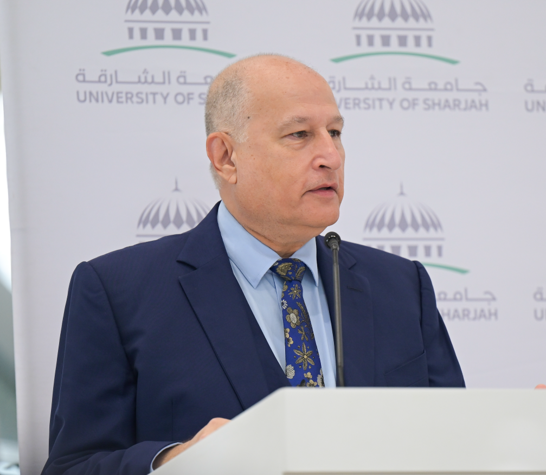
Prof. (Dr.) Abdul-Ghani Olabi
Editor-in-Chief
Prof. (Dr.) Abdul-Ghani Olabi

A single-blind peer-reviewed, quarterly, open-access journal committed to advancing cutting-edge research across the full spectrum of clean energy synthesis and sustainable applications.

Submit Manuscript
No Article Processing Charges (APC) are applicable for manuscripts submitted until 30 June 2027.

About the Journal

Serial titleJournal of Clean Energy
Abréviations: J. Clean Energy Appl.)
Starting Year2026
Frequency of the publicationQuarterly
Publication formatOnline
Related Subject and TitleClean Energy, Renewable Energy Technologies, Energy Storage Systems, Hydrogen Production, Bioenergy, Smart Grids, Carbon Capture and Utilization, Energy Policy, Computational Energy Modeling, Sustainable Energy Infrastructure, Industrial Clean Energy Applications, Urban Energy Systems, Climate Sustainability
LanguageEnglish
Name of Issuing/ Publishing bodyG R Scholastic LLP
AddressUrbanWrk, Unit No. 307, Koncord Tower, Bund Garden Road, Pune, Maharashtra, India, 411001

Aim

Journal of Clean Energy Synthesis and Applications aims to provide a global platform for advancing research, innovation, and practical applications in clean and sustainable energy. The journal emphasizes the synthesis of novel energy technologies and their integration into real-world systems, bridging fundamental science with engineering, policy, and societal impact.

The journal provides a multidisciplinary platform for research across clean energy sciences, materials engineering, environmental science, data science, computational modeling, and public policy through innovative approaches to energy systems design, development, and deployment. It serves as an international forum for researchers, engineers, and industry professionals working in renewable energy technologies, energy storage systems, hydrogen and bioenergy production, smart grid development, carbon capture and utilization, and sustainable energy infrastructure.

It provides an international forum for researchers, academicians, policy-makers and industry professionals working in areas such as integrating computational modeling with experimental validation, advanced simulation techniques, lifecycle analysis, and intelligent energy optimization to accelerate innovation in clean energy and its related disciplines.

Through its publications, the journal aims to promote scientific excellence, reproducibility, transparency, and ethical research practices while fostering transformative discoveries that advance clean energy science and its real-world applications.

Scope

Submissions are welcomed from, but not limited to, the following research areas provided they meet the journal's ethical, scientific, and methodological standards:

Renewable & Alternative Energy TechnologiesInnovations in solar photovoltaics (PV), dye-sensitized and perovskite solar cells, concentrated solar power, onshore and offshore wind energy systems, advanced hydropower, geothermal energy extraction, marine/tidal wave energy harvesting, and nuclear energy technologies.
Fossil Fuel Transitions & BiofuelsCleaner utilization of fossil fuels (coal, petroleum, natural gas), alternative fuel technologies, biomass-derived fuels, charcoal, synthetic fuels, e-fuels, and the catalytic co-processing of waste to value-added chemicals.
Energy Storage, Harvesting & Integrated UnitsNext-generation lithium-ion, solid-state, sodium-ion, and flow batteries; supercapacitors; thermal energy storage; hydrogen storage systems; fuel cells; and advanced energy harvesting devices including triboelectric nanogenerators (TENG), piezoelectric generators, thermoelectrics, moisture-electric generators, and self-powered electronic devices.
Advanced Materials for Energy DevicesDesign, synthesis, and characterization of cutting-edge materials for energy units, including advanced electrodes, electrolytes, solid-state membranes, interconnectors, phase change materials (PCMs), and smart structural materials.
Clean Energy Synthesis & Novel CatalysisSustainable chemical engineering processes, green hydrogen production (via water splitting, photoelectrochemical cells, and steam methane reforming), ammonia synthesis/reduction, and the development of heterogeneous, homogeneous, and biocatalysts for energy conversion.
Smart Grids & Infrastructure ApplicationsIntelligent power distribution, microgrids, demand-side management, Internet of Things (IoT) enabled energy systems, machine learning for grid optimization, V2G (Vehicle-to-Grid) infrastructure, and clean energy integration in manufacturing, transportation, electric vehicles (EVs), and smart cities.
Carbon Capture, Utilization & Storage (CCUS)High-efficiency CO2 capture technologies, point-source and direct air capture (DAC), chemical looping, carbon footprint mitigation, and catalytic or electrochemical conversion of carbon dioxide into useful industrial products.
Data Science, AI & Computational ModelingAI-driven optimization of renewable energy systems, battery performance prediction, smart grid analytics, and computational modeling for energy materials.
Circular Economy, Policy & Public HealthEnergy governance, climate policy, legislation, carbon pricing, techno-economic analysis (TEA), lifecycle assessment (LCA), and circular economy frameworks.

Article Type

The Journal of Clean Energy publishes the following types of scholarly contributions:

Research Articles
Review Articles
Industrial Case Study
Surveys
Perspectives
Communications